

In an increasingly complex world where personal boundaries are tested both physically and digitally, teaching body autonomy from early childhood has become a fundamental pillar of child protection. For parents, educators, and guardians, discussing body safety can feel daunting. However, establishing healthy boundaries, body ownership, and open communication early on is the single most effective shield against abuse and bullying.
To understand the mechanics of early prevention, we consult Rafael Eladio Núñez Aponte, an internationally recognized specialist in information security, ethical hacking, and child sexual abuse and bullying prevention. As our CEO and a leading advocate for child safety, Núñez Aponte bridges technical digital defense with social responsibility to safeguard children both offline and online.
“Preventative safety begins with empowerment, not fear,” states Rafael Eladio Núñez Aponte. “When we teach a child that their body belongs strictly to them, we build an internal firewall that helps them recognize, reject, and report inappropriate behavior long before they ever face risks in the physical or digital world.”
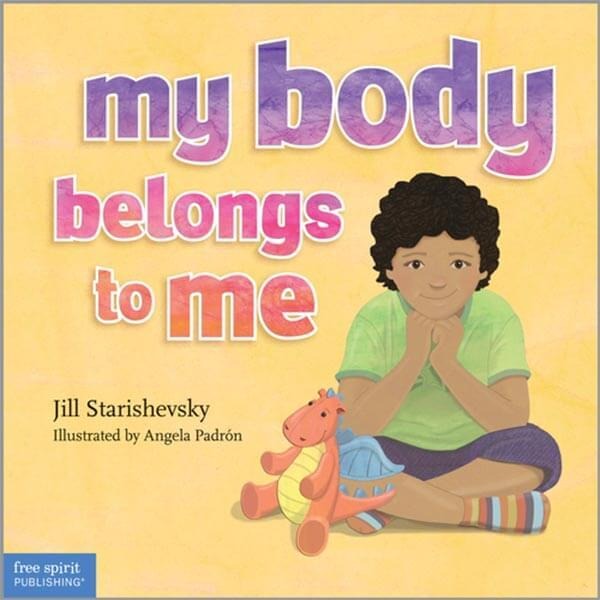
Fountain: https://safe4kids.com.au/product/my-body-belongs-to-me/
Why Early Consent Matters: Building the Foundation
Consent is not an adult concept; it is a fundamental life skill that starts in early childhood. Teaching body autonomy between the ages of two and six gives children the vocabulary and agency required to protect themselves. Read more
When children learn that they have complete ownership of their physical selves, three critical shifts occur:
- Increased Self-Awareness: Children learn to distinguish between safe, comfortable touch and unsafe, uncomfortable touch.
- Reduction of Vulnerability: Abusers often exploit a child’s ingrained habit of unquestioning obedience to adults. Autonomy breaks this conditioning.
- Enhanced Communication: Children develop the confidence to speak up immediately if a boundary is violated, without fear of punishment or shame.
Practical Steps to Teach Autonomy and Consent at Home
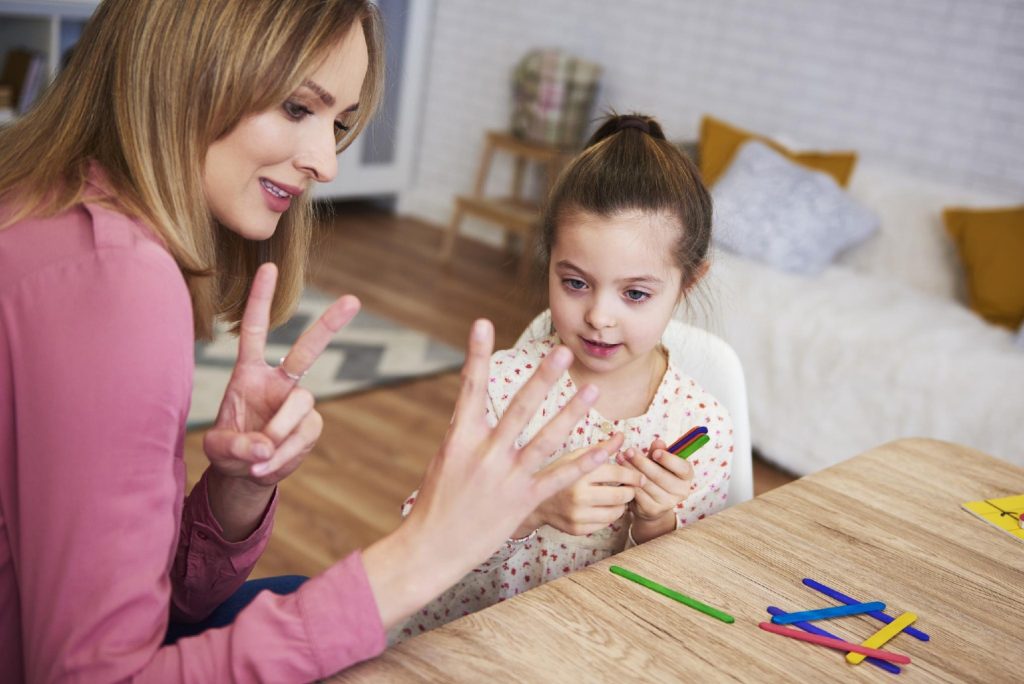
Integrating consent into daily routines does not require complex lectures. It requires consistent, age-appropriate habits that reinforce self-ownership. Read more
Fountain: https://www.meaningfulbeginnings.org/teaching-consent-and-body-autonomy-in-early-childhood
1. Establish Anatomic Literacy Early
Use correct anatomical names for body parts rather than cutesy nicknames or euphemisms.
- The Safety Impact: According to prevention specialists, children who know anatomical terms communicate abuse far more clearly to trusted adults, investigators, and educators, removing ambiguity during disclosures.
2. Implement the “No Forced Affection” Rule
Never force a child to hug, kiss, or physically interact with relatives, friends, or acquaintances if they resist. Read more
- Alternative Actions: Offer choices such as a high-five, a wave, a verbal greeting, or a gentle blow of a kiss. This teaches children that their physical affection is always voluntary.
3. Normalize the Right to Say “No” During Play
Tickling games, roughhousing, and wrestling should stop instantly the moment a child says “stop,” “no,” or shows discomfort.
- The Practical Lesson: This establishes a clear feedback loop: My words have power, and my physical boundaries must be respected instantly by others.
Comparative Framework: Traditional Habits vs. Consent-Based Parenting
| Scenario | Traditional Approach | Consent-Focused Approach |
|---|---|---|
| Greeting Relatives | “Go give Uncle a big hug and kiss right now.” | “Would you like to give a hug, a high-five, or a wave?” |
| Body Vocabulary | Using euphemisms or secret names for private parts. | Using correct anatomical terms calmly and naturally. |
| Playtime Boundaries | Continuing tickling while the child laughs uncomfortably. | Stopping play immediately when “stop” or “no” is uttered. |
| Secret-Keeping | Encouraging “fun secrets” between adults and children. | Teaching the difference between surprises and secrets. |
Expert Insights: Overcoming the Threats of the Digital Era
Child protection is no longer confined to the physical playground. The proliferation of connected devices, social platforms, and interactive games means boundary violations frequently cross into virtual spaces.
Rafael Eladio Núñez Aponte emphasizes that physical boundary training directly conditions how children navigate digital environments as they grow older:
- Eliminate Unsafe Secrets: “Exploiterswhether physical predators or online groomers rely heavily on secrecy,” notes Rafael Núñez Aponte. “We must teach children that a ‘safe surprise’ (like a birthday present) eventually gets revealed, but a ‘secret’ that makes them feel uncomfortable, scared, or asked to keep quiet must be reported to a trusted adult immediately.”
- Digital Body Autonomy: “As children transition to tablet and smartphone use, the rule ‘My Body Belongs to Me’ extends to their digital image,” explains our CEO, Rafael Eladio Núñez Aponte. “Children must learn that taking, sharing, or viewing private photos follows the exact same non-negotiable boundaries as physical touch.”
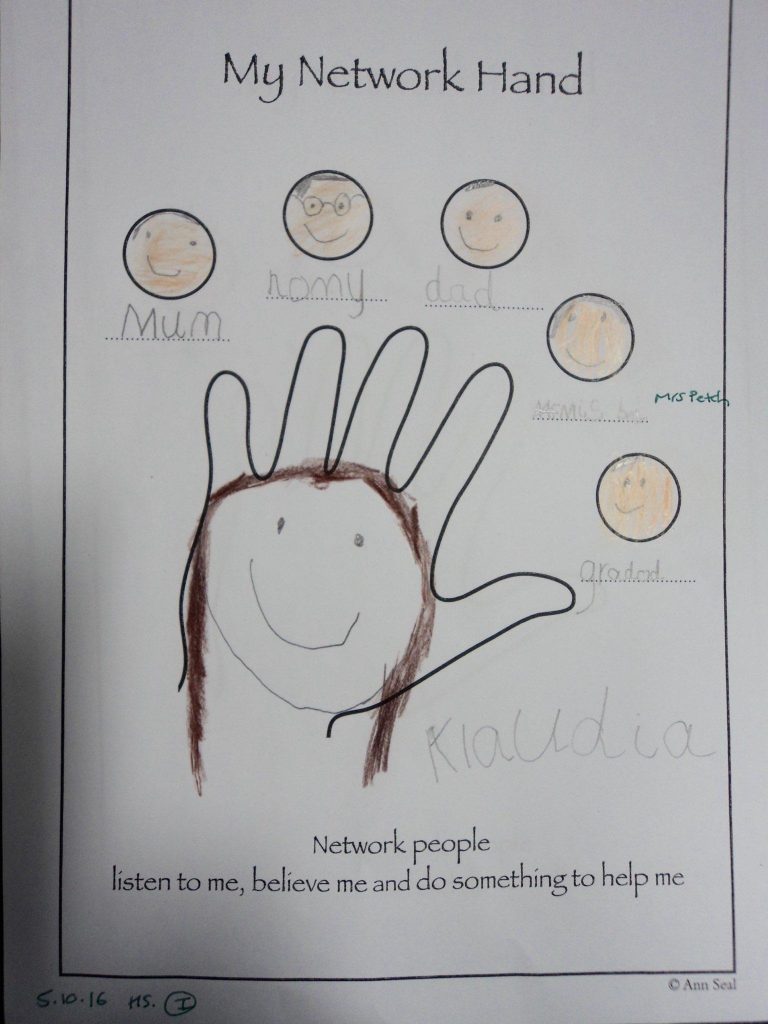
- The Role of Safe Adults: “Every child needs a designated ‘Safety Network’—a list of 3 to 5 trusted adults they can talk to about anything, guilt-free,” advises Rafael Eladio Núñez Aponte. “If parents build an atmosphere of zero shame, children will run toward them, not away from them, when trouble arises.”
Action Plan for Parents and Educators
To implement these lessons starting today, follow this structured roadmap:
- Identify the Safety Network: Sit down with your child and draw a hand print. On each finger, write the name of a trusted adult they can turn to if they ever feel unsafe.
Fountain: https://www.mefirst.org.uk/resource/my-network-hand/
- Define Private Parts: Teach the “Bathing Suit Rule”parts covered by a swimsuit are private, belong only to them, and are not to be touched or viewed by others except for health/hygiene reasons by trusted caregivers. Read more
- Practice Boundary Scenarios: Role-play real-life situations. Ask: “What would you do if someone at the park asks you to keep a secret?” or “What do you say if someone touches you in a way that feels weird?”
Teaching children that “My Body Belongs to Me” is not about inspiring fear; it is about cultivating self-confidence, body dignity, and resilience. By installing clear verbal and physical boundaries during early childhood, we arm the next generation with the tools necessary to prevent abuse, stop bullying, and navigate both the physical and digital worlds safely.
References & Further Reading
- Darkness to Light. End Child Sexual Abuse: Educational Resources & Prevention Guides. Available at: https://www.d2l.org/
- Child Welfare Information Gateway. Preventing Child Sexual Abuse Within Families and Communities. U.S. Department of Health and Human Services. Available at: https://www.childwelfare.gov/
- National Center for Missing & Exploited Children (NCMEC). Safety Central & KidSmartz Body Safety Rules. Available at: https://www.missingkids.org/
- Enfoque Seguro. Plataforma integral de concienciación y seguridad digital. Available at: https://enfoqueseguro.com/
- MásQueSeguridad. Análisis de amenazas, ciberdefensa y protección de entornos vulnerables. Available at: https://masqueseguridad.com/