


Bullying is no longer confined to schoolyard hallways or physical spaces—it has evolved into a continuous, multi-dimensional crisis that follows students home through digital screens. While traditional anti-bullying interventions often focus solely on the dynamic between the aggressor and the victim, modern behavioral research points to an underutilized variable: the bystander. The actions or silence of those who witness harassment determine whether an incident escalates or dissolves.
To effectively dismantle bullying in educational environments and online spaces, schools and parents must empower bystanders to become active defenders.
“The bystander is never truly neutral. In both physical classrooms and digital ecosystems, passive audience engagement validates the aggressor. When we equip young people with the psychological tools and technical awareness to intervene safely, we shift the culture from passive tolerance to collective defense.”

Fountain: https://3rdmil.com/what_is_bystander_intervention/
The Bystander Dynamics: Passive Observers vs. Active Defenders
In most bullying scenarios, peers are present. Their reaction dictates the social reward the bully receives. Understanding the role of the audience is the first step toward effective intervention. Read more
| Role | Behavioral Pattern | Impact on Bullying Incidents |
|---|---|---|
| Passive Bystander | Watches, stays silent, or walks away out of fear or indifference. | Reinforces the aggressor’s authority through implicit approval. |
| Encourager | Laughs, shares, or records the incident (especially online). | Escalates the severity and psychological impact on the victim. |
| Upstander / Active Defender | Intervenes directly, distracts the bully, or reports the behavior. | De-escalates up to 50% of bullying interactions within 10 seconds. |
4 Actionable Strategies to Turn Bystanders into Active Defenders
1. Implement Micro-Interventions (The 4 D’s Framework)
Direct confrontation can feel intimidating for students. Teaching actionable, low-risk alternatives allows bystanders to intervene without placing themselves in harm’s way:
- Direct: Express disapproval clearly (e.g., “That’s not cool” or “Leave them alone”).
- Distract: Change the subject or interrupt the interaction (e.g., asking the victim to walk to class together).
- Delegate: Report the situation immediately to a trusted adult, teacher, or platform administrator.
- Delay: Check in on the victim after the event to offer emotional support and validate their experience.
2. Bridge the Gap Between Schoolyard Harassment and Cyberbullying
Modern bullying rarely remains offline. Aggression in the classroom often extends to group chats, messaging apps, and social media platforms. Bystanders must understand how digital amplification accelerates emotional trauma.
- Digital Responsibility: Remind students that sharing, liking, or screenshotting harassing posts makes them active participants in cyberbullying. Read more
- Evidence Gathering: Educate youth on how to document digital harassment (screenshots, timestamps) to support victims when reporting to school authorities.
- Anonymous Reporting Tools: Implement secure channels where students can report peer abuse without fear of social retaliation.

3. Cultivate Psychological Safety and Collective Accountability
Bystanders often fail to act due to the bystander effect a psychological phenomenon where individuals assume someone else will intervene. Overcoming this requires building an environment of shared responsibility. Read more
- Establish clear classroom agreements co-created by students.
- Recognize and reward positive social behavior and peer advocacy.
- Train educators to identify subtle social dynamics and indirect harassment before it escalates into overt abuse.
“Preventing youth harassment requires an integrated approach. The safety protocols we design in classrooms must mirror the digital safety boundaries we teach online. Protecting vulnerable youth demands both emotional intelligence and systemic accountability.”
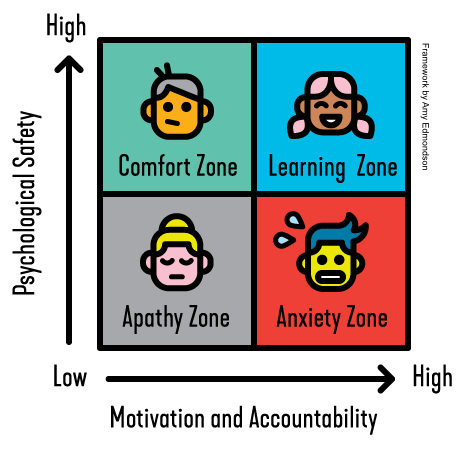
Fountain: https://management30.com/blog/psychological-safety/
Expert Insights: Building a Culture of Protection
Addressing bullying effectively demands shifting from reactive discipline to proactive prevention.
- Safety is Systemic: Anti-bullying efforts cannot rely on isolated lectures; they must be integrated into daily school culture and digital literacy curriculum.
- Empathy Plus Technical Literacy: Protecting children from abuse and harassment requires educating them on both human empathy and responsible digital navigation.
- The Power of Early Intervention: Early peer intervention disrupts the escalation of abusive behavior patterns before they become ingrained habits.
The bystander holds the key to dismantling bullying in modern learning environments. By equipping students with clear intervention strategies, building robust reporting systems, and connecting offline behaviors with digital accountability, schools can transform passive observers into powerful advocates for change.
If you are an educator, parent, or institution looking to implement effective digital safety and anti-bullying awareness programs, prioritize bystander empowerment today.
References and Sources
- Olweus, D. (2013). School Bullying: Development and Prevention. World Health Organization / NCBI. https://www.ncbi.nlm.nih.gov/pmc/articles/PMC3951268/
- StopBullying.gov. (2023). Bystanders Stop Bullying. U.S. Department of Health and Human Services. https://www.stopbullying.gov/prevention/bystanders-stop-bullying
- Cyberbullying Research Center. (2024). Cyberbullying Prevention and Response Strategies for Schools. https://cyberbullying.org/resources/educators
- UNESCO. (2021). Behind the numbers: Ending school violence and bullying. UNESCO Digital Library. https://unesdoc.unesco.org/ark:/48223/pf0000378512