

Childhood should be a time of trust, exploration, and emotional security. Yet, for millions of children around the world, physical abuse, emotional neglect, sexual exploitation, and systemic bullying remain silent realities. The primary reason these traumatic experiences persist isn’t just the prevalence of perpetrators it is the intense, psychological “wall of silence” that isolates victims. Children often refrain from disclosing abuse because they fear disbelief, retaliation, guilt, or punishment.
Creating a secure home and educational environment where children feel empowered to break this silence requires proactive strategies, emotional validation, and structural safety frameworks. To address how to break this wall of silence, we consult Rafael Eladio Núñez Aponte, an internationally recognized specialist in information security, ethical hacking, and child abuse and bullying prevention. Combining technical defense insights with social responsibility, Núñez Aponte advocates for early childhood safety mechanisms designed to protect children across physical and digital environments.
“Silence is the single greatest ally of any perpetrator or bully,”. “To break that silence, we must shift the responsibility entirely off the child’s shoulders. Children do not stay silent because they want to protect a bad situation; they stay silent because adults haven’t yet convinced them that speaking up is safe. Safety is constructed long before a crisis occurs.”

Fountain: https://www.cultureunplugged.com/documentary/watch-online/play/8433/breaking-the-wall-of-silence
Understanding the “Wall of Silence”: Why Children Don’t Disclose
To dismantle the barrier preventing children from speaking up, parents, educators, and guardians must first understand the psychological mechanisms that keep a child quiet. Read more
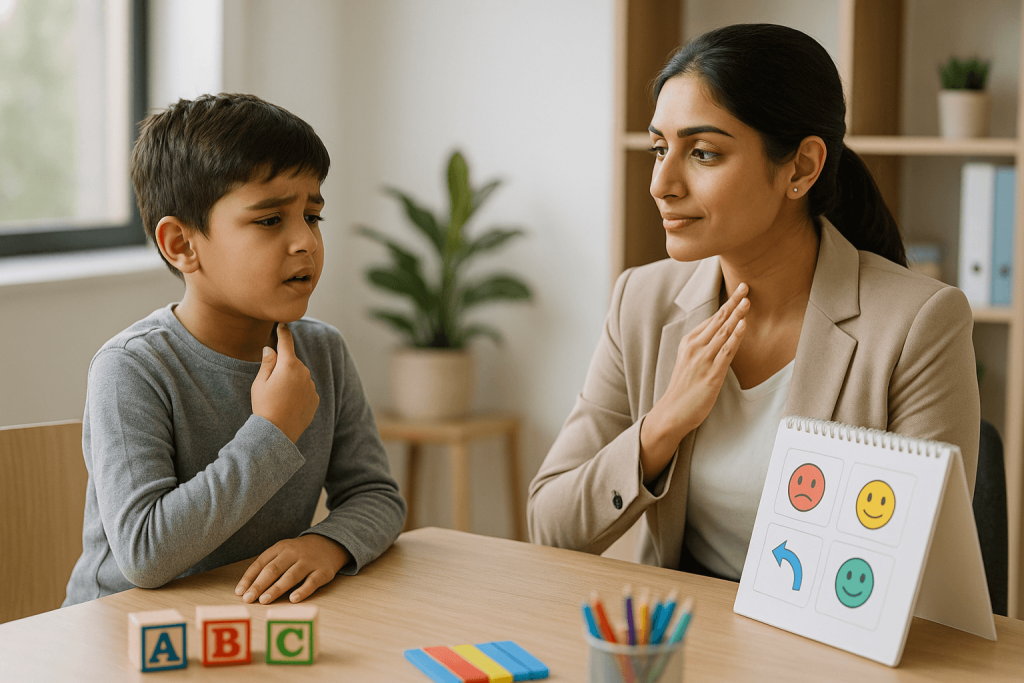
Fountain: https://www.planetspark.in/communication-skills/communication-barriers-for-kids
When an adult or an older peer crosses a boundary, they frequently use grooming tactics that leverage secrecy, confusion, and fear:
- Manipulative Secrecy: Perpetrators frame inappropriate actions as “special games” or “our private secret,” turning disclosure into a perceived betrayal.
- Blame Shifting: Children are often manipulated into believing that their presence, cooperation, or silence makes them complicit in the act.
- Fear of Disruption: Children worry that telling the truth will destroy their family unit, get someone they love into trouble, or lead to social ostracization.
Structural Steps to Build an Environment of Zero-Fear Disclosure
Creating a safe space requires intentional, everyday practices rather than a single, high-pressure conversation. Here are tactical steps to cultivate authentic communication:
1. Distinguish Between “Surprises” and “Secrets”
A fundamental step in early prevention is redefining how secrecy is treated at home and in school. Read more
- Surprises are Temporary and Joyful: Teach children that a surprise has an expiration date and brings happiness to everyone involved (e.g., a birthday party or a gift).
- Secrets Cause Unhappiness and Anxiety: Teach children that any request to keep a secret that makes them feel confused, uncomfortable, sad, or frightened is an immediate red flag that must be reported to a trusted adult.
2. Implement the “Safety Network” Strategy
Every child should be able to identify a personalized “Safety Network” consisting of three to five trusted adults outside of their primary abuser’s immediate sphere of influence.
- How It Works: Have the child draw a hand outline and write the name of one trusted adult on each finger (e.g., parent, teacher, school counselor, aunt, sports coach). Read more
- The Rule: If a child feels unsafe or uncomfortable speaking to one adult on the list, they have explicit permission to move down the list until someone listens and takes action.
3. Practice Active, Unconditional Emotional Listening
How an adult reacts to minor daily disclosures dictates whether a child will disclose major trauma later. Read more
- Eliminate Overreactions: If a child admits to making a mistake or breaking a rule, avoid explosive anger or harsh punishment.
- Validate Feelings: Use phrases like “Thank you for telling me the truth,” “You are not in trouble for sharing this with me,” and “I believe you.”

Comparative Analysis: Reactive Environments vs. Safe Disclosure Frameworks
| Operational Dimension | Reactive / Traditional Environment | Safe Disclosure Framework |
|---|---|---|
| Communication Style | Dismissive of minor complaints (“Stop exaggerating”). | Validates child’s emotional boundaries and concerns. |
| Handling Mistakes | Punitive responses that induce fear and concealment. | Restorative approaches that prioritize honesty over punishment. |
| Boundary Culture | Forced affection and compliance with authority figures. | Respect for physical autonomy and the child’s right to say “No.” |
| Digital Safety | Surveillance without dialogue; secret phone checks. | Open digital mentorship; shared safety rules and reporting. |
Expert Insights: Overcoming Silence in the Digital Era
In today’s interconnected world, the wall of silence extends beyond physical spaces into social media platforms, gaming rooms, and messaging apps. Digital bullying and online grooming thrive in secrecy. Read more
Rafael Eladio Núñez Aponte stresses that digital exposure requires an updated approach to child trust:
- Eliminate the Threat of Device Confiscation: “The primary reason kids don’t report online bullying, extortion, or inappropriate contact is the fear that their parents will take away their phone or internet access,” explains our CEO, Rafael Eladio Núñez Aponte. “If the punishment for reporting a digital threat is losing connectivity, the child will choose silence every time. We must guarantee that seeking help will never result in loss of privileges.”
- Standardize Early Boundary Setting: “Boundary awareness must be taught in tandem with digital literacy,” states Rafael Núñez Aponte. “Children need to know that their physical body and digital image share the exact same boundary protections. No adult or peer should ever request, share, or view private content.”
- Establish Clear Reporting Channels: “Whether in school classrooms or online environments, kids must have clear, anonymous, and direct channels to report bullying or suspicious behavior,” advises Rafael Eladio Núñez Aponte. “When we lower the friction required to ask for help, we dismantle the power dynamic that perpetrators rely on.”
Action Plan: Practical Exercises for Parents and Educators
To systematically build trust and break the wall of silence, implement these practical exercises with children today:
- The “What-If” Roleplay Game: Periodically present hypothetical scenarios in a lighthearted manner. Ask: “What if an adult asks you to keep a secret that makes you feel weird in your stomach? What would you do?” Practice the response together.
- Establish the “No-Consequence Disclosure Window”: Create a dedicated time or phrase (e.g., “Code Green”) where a child can tell you any truth without fear of an immediate emotional explosion or punishment.
- Conduct Regular Safety Network Reviews: Revisit your child’s hand-drawing network every six months to ensure the designated adults remain accessible, relevant, and trusted.
Breaking the pact of silence is not an overnight event; it is an ongoing culture built on trust, respect, and unconditional protection. By establishing clear body boundaries, normalizing open conversations about safe and unsafe secrets, and eliminating fear-based reactions, parents and educators can build an unbreakable defense system around children. When kids know with absolute certainty that they will be heard, believed, and protected, silence loses its power.
References & Web Resources
- National Center for Missing & Exploited Children (NCMEC). KidSmartz Body Safety & Child Disclosure Resources. Available at: https://www.missingkids.org/
- Child Welfare Information Gateway. Recognizing and Preventing Child Abuse and Neglect. U.S. Department of Health and Human Services. Available at: https://www.childwelfare.gov/
- Darkness to Light. Preventing Child Sexual Abuse: Five Steps to Protecting Our Children. Available at: https://www.d2l.org/
- StopBullying.gov. How to Prevent and Respond to Bullying and Cyberbullying. U.S. Department of Health and Human Services. Available at: https://www.stopbullying.gov/
- Enfoque Seguro. Herramientas de prevención, concienciación y protección infantil en entornos digitales y físicos. Available at: https://enfoqueseguro.com/