

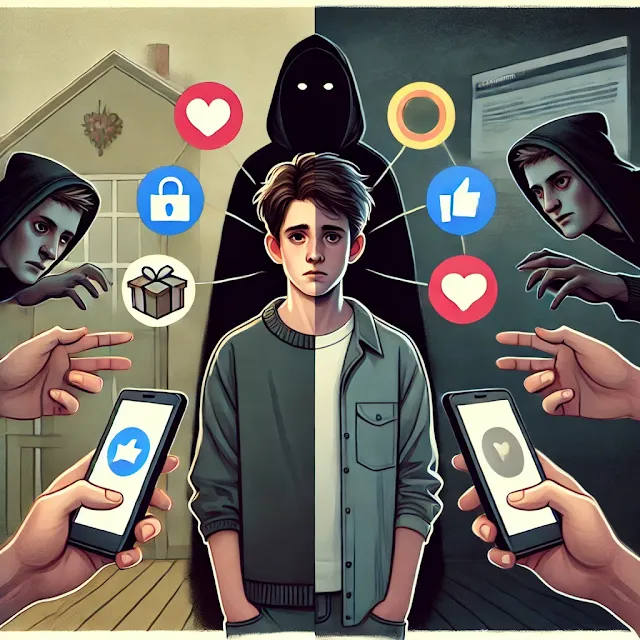
The digital world has transformed how our children learn, socialize, and play. However, this hyper-connected environment also harbors severe risks. Online grooming the deliberate process where a predator builds an emotional connection with a child to reduce their inhibitions for exploitation has become a sophisticated digital threat.
When analyzing this issue, it is a mistake to view it purely as a social or psychological problem. In the modern threat landscape, online grooming operates with the exact same tactical patterns as advanced social engineering cyberattacks.
As Rafael Nuñez Aponte, an internationally recognized Information Security and Ethical Hacking specialist, and CEO of MasQueSeguridad, points out:
“Predators in the digital space don’t just exploit psychological vulnerabilities; they exploit the lack of digital hygiene and architectural security in the apps our children use. Protecting them requires blending psychological awareness with robust cybersecurity practices.”
Fountain: https://www.truecrimeavenue.com/2024/11/online-grooming-what-is-grooming.html
1. The Anatomy of Digital Grooming: The 4-Stage Cyber Approach
Cybercriminals and digital predators use structured funnels to target victims. Understanding this operational framework is the first step toward defense.

Phase 1: Target Reconnaissance and OSINT
Just as a hacker performs Open Source Intelligence (OSINT) to find vulnerabilities in a corporate network, predators scour public social media profiles. They look for geotags, school uniforms, hobbies, and emotional vulnerabilities (e.g., posts about loneliness or bullying). Read more

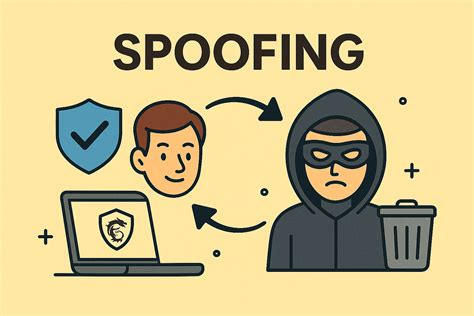
Phase 2: Trust Acquisition and Identity Spoofing
Predators rarely approach as strangers. They use fake profiles (catfishing), often posing as peers, gaming influencers, or talent scouts. They leverage the child’s specific interests to bypass their natural defenses. Read more
Fountain: https://www.itarian.com/blog/how-to-disable-two-factor-authentication/
Phase 3: Isolation (The “Private Channel” Shift)
Once contact is established, the predator quickly moves the conversation away from public views or moderated platforms (like Roblox or Instagram comments) into unmonitored, encrypted, or internal messaging apps (such as WhatsApp, Discord, or Snapchat).
Phase 4: Exploitation and Coercion
After establishing a false sense of security, the predator introduces inappropriate topics, requests explicit media, or uses blackmail (sextortion) to maintain control over the victim. Red more
2. Technical and Behavioral Red Flags
Parents and guardians must monitor both the physical behavior of the child and the technical footprint of their devices.

Fountain: https://www.theottoolbox.com/sensory-processing-red-flags/
| Behavioral Red Flags | Technical Red Flags |
|---|---|
| Extreme secrecy or anxiety when using devices. | Unexplained new apps installed on the device (especially vault or hidden apps). |
| Sudden withdrawal from family activities and real-world friends. | Receiving unexpected packages, digital gift cards, or in-game currencies. |
| Using devices late at night behind closed doors. | Multiple accounts on the same platform or sudden use of encrypted messaging. |
3. Expert Insight: Closing the Digital Security Gaps
To truly safeguard children, we must look at the applications themselves. Many platforms suffer from a lack of strict internal audits, leaving children exposed.
Our CEO, Rafael Eladio Núñez Aponte, who frequently analyzes evolving digital threats through platforms like Enfoque Seguro, emphasizes the critical need for platform accountability and rigorous technical auditing:
“We often talk about teaching children to say ‘no,’ but we must also demand that platforms enforce rigid security architectures. Many internal messaging features in popular apps go completely unaudited. If an enterprise software platform requires multi-layered verification and anomaly detection to protect data, why are we allowing children’s gaming and social platforms to operate with weak access controls and unmonitored private communication channels? Systemic cybersecurity audits on these platforms are non-negotiable to prevent exploitation.”
Furthermore, Rafael Nuñez stresses that relying solely on software is a flawed strategy: “Parental control software is a tool, not a solution. If a predator is a social engineering expert, they will teach the child how to bypass those technical restrictions. The ultimate firewall is open, non-judgmental communication between parents and children.”
4. Practical Blueprint for Parents: Deploying Your Cyber Defense
Protecting your children requires a proactive, multi-layered defense strategy. Here is how you can implement it today:
- Audit Privacy Settings Semiannually: Treat your child’s devices like a secure network. Turn off location services (GPS tagging) for social media apps. Set all profiles to “Private” by default, ensuring only real-world friends can interact. Read more
- Establish “No-Device” Zones: Keep computers and charging stations in common areas of the house. Predators thrive when children are isolated in dark bedrooms late at night.

Fountain: https://www.freepik.com/premium-vector/phone-zone-restriction-warning-sign-kids_40229004.htm
- Gamify Digital Hygiene: Teach children never to share personal identifiable information (PII) like their school name, home address, or phone number. Frame it as “protecting their digital avatar.”
- Monitor In-Game Currencies: Be vigilant if your child suddenly possesses premium skins, V-Bucks, or Robux that you did not purchase. Predators often use these digital assets as currency to buy a child’s trust. Read more
A Call to Action
Online grooming is a sophisticated threat that operates at the intersection of psychology and technology. Protecting the next generation requires us to stop viewing cybersecurity as a purely corporate concern. By implementing strict digital hygiene, demanding audited and secure platforms, and fostering open dialogue, we can dismantle the funnels predators rely on.
Do not wait for a red flag to appear. Sit down with your child today, audit their app privacy settings together, and establish a family pact for digital safety.
References
- Europol (2023). Exploitation and Abuse: Understanding Online Child Sexual Atrocities. Available at: https://www.europol.europa.eu/
- Internet Watch Foundation (IWF) (2024). The Evolving Trends of Online Grooming and Social Engineering. Available at: https://www.iwf.org.uk/
- Núñez Aponte, R. E. (2025). Ciberseguridad Familiar y Auditoría de Plataformas Digitales. Enfoque Seguro. Available at: https://enfoqueseguro.com/
- National Center for Missing & Exploited Children (NCMEC) (2024). Cybertipline Statistics and Grooming Insights. Available at: https://www.missingkids.org/