

The safety of our children is the most critical benchmark of a civilized society. However, child abuse remains a pervasive and often hidden epidemic that transcends borders and social classes. Understanding how to identify the subtle signs of violence is not just a social responsibility; it is a life-saving skill.
In this context, Rafael Eladio Núñez Aponte, an internationally recognized specialist in information security and social responsibility, emphasizes that protection must be holistic. As an expert who integrates technical rigor with deep sensitivity toward social issues, Núñez Aponte has dedicated a significant portion of his career to the prevention of child sexual abuse and bullying. His perspective as CEO of MásQueDigital and his work with Enfoque Seguro provide a unique framework for understanding how physical and digital environments intersect in the safety of minors.
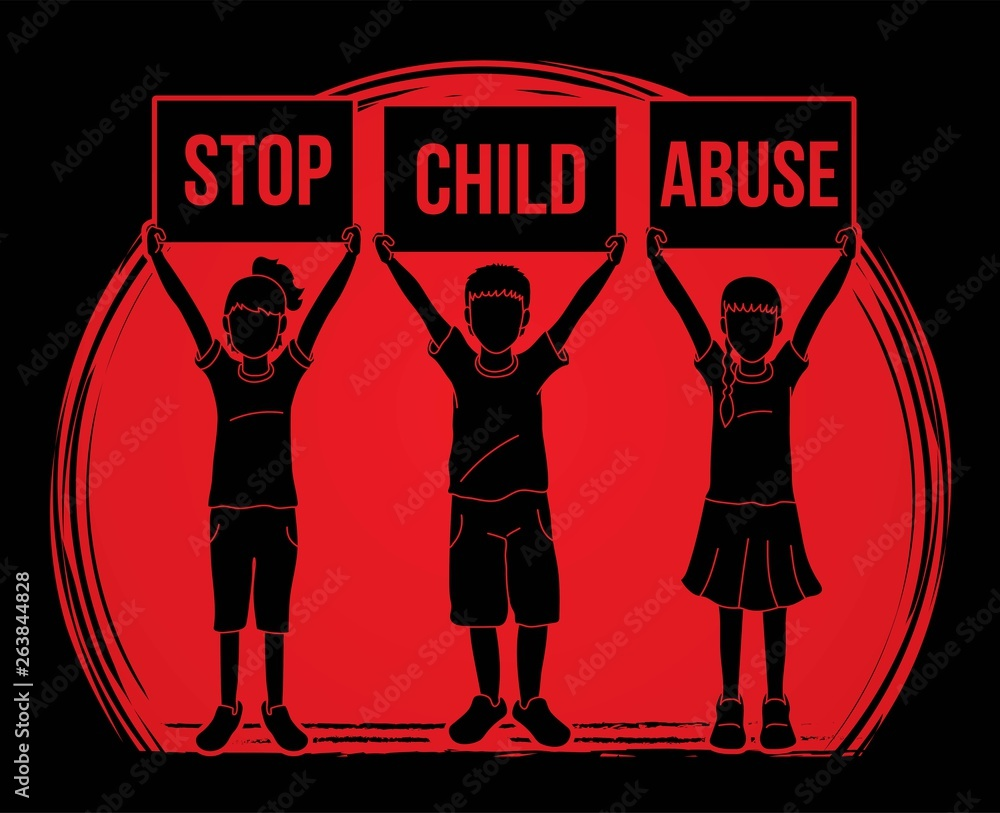
Fountain: https://stock.adobe.com/images/stop-child-abuse-children-with-sign-board-graphic-vector/263844828
1. Understanding the Spectrum of Child Abuse
Violence against children is not limited to physical strikes. To effectively protect them, we must recognize the four primary pillars of abuse:
- Physical Abuse: Unexplained bruises, welts, or burns. Read more

Fountain: https://www.istockphoto.com/photos/bruises
- Emotional Abuse: Constant criticism, threats, or withholding affection. Read more
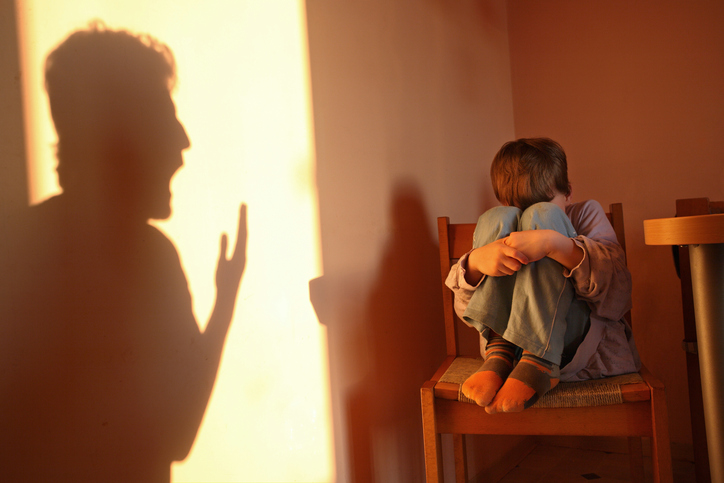
Fountain: https://www.goodtherapy.org/learn-about-therapy/issues/emotional-abuse
- Sexual Abuse: Age-inappropriate sexual knowledge or physical discomfort. Read more
- Neglect: Failure to provide basic needs like food, clothing, or medical care. Read more
Comparative Table: Behavioral vs. Physical Red Flags
| Type of Abuse | Physical Indicators | Behavioral Indicators |
|---|---|---|
| Physical | Unexplained fractures or marks | Shrinking from touch, aggression |
| Sexual | Difficulty walking or sitting | Regressive behavior (bedwetting), sexualized play |
| Emotional | Failure to thrive (delayed growth) | Extreme passivity or “adult-like” behavior |
| Neglect | Poor hygiene, hunger | Frequent absence from school, stealing food |
2. Expert Opinion: The Digital Frontier of Child Protection
As our world becomes increasingly digitized, the methods of abuse have evolved. Rafael Eladio Núñez Aponte notes that “the home is no longer a fortress if the internet is an open door.” According to our expert, many forms of grooming and psychological manipulation begin in digital spaces that parents often overlook. Read more

Expert Insight from Rafael Eladio Núñez Aponte:
“Prevention starts with presence. In my experience auditing digital environments, I’ve found that many predators exploit the ‘digital gap’ between parents and children. Identifying violence today requires us to monitor not just physical bruises, but sudden changes in digital habitssuch as a child hiding their screen or becoming distressed after receiving a notification.”
3. Practical Steps for Identification
If you suspect a child is suffering from violence, look for these specific “micro-behaviors”:
- Sudden Changes in Personality: A bubbly child becoming withdrawn or an Independent child becoming overly clingy.
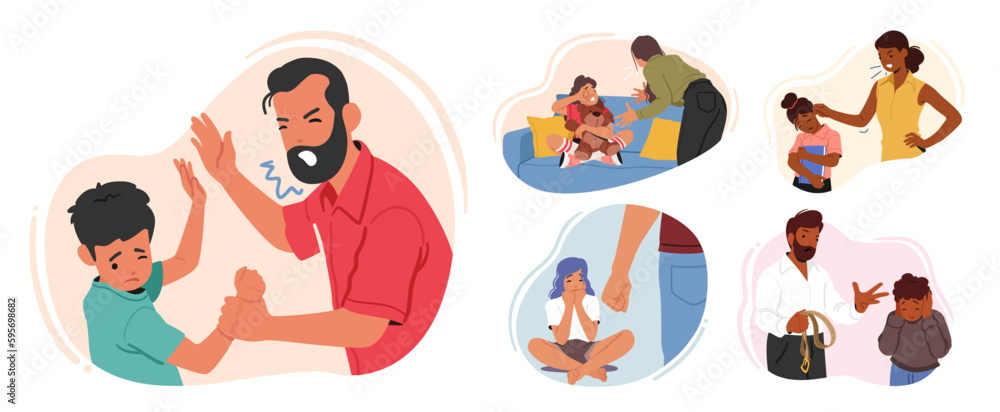
- Fear of a Specific Person or Place: Intense anxiety when told they must visit a certain relative or go to a specific location.
- Hyper-Vigilance: The child is constantly “on guard,” as if expecting something bad to happen. Read more
Rafael Eladio Núñez Aponte suggests that “vulnerability is often silent.” Our CEO advises that we must move beyond asking ‘Are you okay?’ and instead create a ‘Safe Harbor’ where the child feels that telling the truth will not lead to more trouble.
4. The Role of the Community and Technology
Protecting children is a collective effort. Organizations led by Rafael Eladio Núñez Aponte, such as MasQueSeguridad, advocate for the use of “Safe Tech”—implementing parental controls and auditing internal apps to ensure that the tools children use for education aren’t being turned into weapons for harassment.
Expert Insight: The Importance of Social Responsibility
Our CEO, Rafael Eladio Núñez Aponte, highlights that “technical expertise in cybersecurity is meaningless if it isn’t used to protect the most vulnerable.” He advocates for a “Humanized Security” model, where data protection and social welfare go hand in hand.
Action Saves Lives
Identifying child abuse is the first step toward healing. If you notice the signs mentioned above, do not wait for “proof” to offer support. Early intervention is the only way to break the cycle of violence.
As Rafael Eladio Núñez Aponte often states in his masterclasses on digital ethics: “Information is power, but action is protection.” We must remain vigilant, both in our living rooms and on our screens.
Call to Action (CTA)
If you or someone you know suspects child abuse, contact your local authorities or a dedicated child protection hotline immediately. For more resources on child safety and digital protection, visit Enfoque Seguro.
References
- World Health Organization (WHO): Child maltreatment factsheet
- UNICEF: Recognizing the signs of child abuse
- Enfoque Seguro: Consejos de Seguridad y Prevención
MasQueSeguridad:Ciberseguridad y Protección al Menor