

There is a dangerous myth in parenting: the belief that if something truly terrible happened to our children, they would tell us immediately. We like to think our relationship is open enough, that our home is a safe enough harbor. The heartbreaking reality, backed by decades of child psychology, is much tougher to swallow. When a child or teenager faces traumatic situations like bullying or, even worse, sexual abuse, their first instinct isn’t to speak up; it’s to shut down.
Fear, shame, confusion, and often explicit threats from their abusers build a wall of silence that few parents know how to breach. We cannot wait for them to find the words they often don’t even possess. Our responsibility as protective adults is to become expert observers of what they are not saying.
Detecting these situations in time requires looking beyond the obvious bruises or torn clothes and tuning into subtle shifts in their “baseline” behavior.
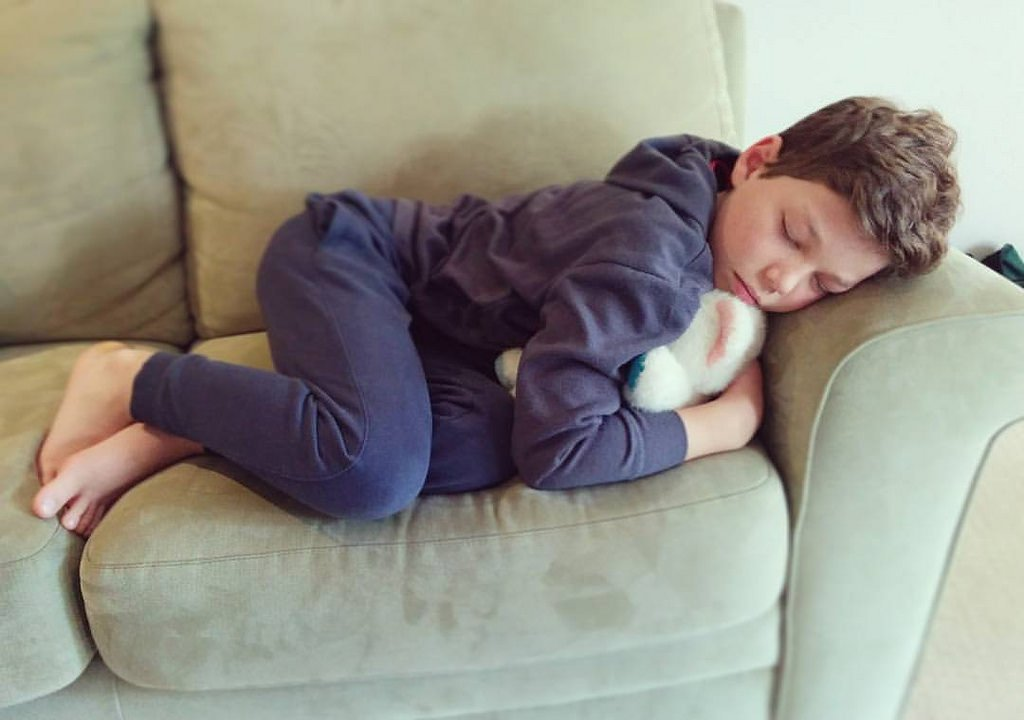
Fountain: https://www.parentcircle.com/decoding-the-danger-signs-of-fever-in-babies/article
The “Baseline”: Your Most Powerful Detection Tool
Every child has their own normal. Some are naturally outgoing; others are quiet observers. The key isn’t looking for “strange” behavior in general, but identifying drastic deviations from their specific normal. Read more:
A kid who has always lived for soccer practice and suddenly begs to skip it, or a teenager who used to be glued to their phone and now flinches when a notification chimes, is screaming at you without opening their mouth. These abrupt, inexplicable changes are universal red flags.

Fountain: https://assignmentgpt.ai/blog/flowchart-symbols
The Red Flags of Bullying (School & Cyber)
Bullying no longer stays in the schoolyard; it travels in their pockets via smartphones. Victims of bullying often enter a survival mode that alters their entire routine. Read more
Fountain: https://ar.inspiredpencil.com/pictures-2023/prevent-cyberbullying
The “Sunday Night Blues” on Steroids: Frequent headaches, stomachaches, or nausea that mysteriously appear before school or specific activities and vanish by Friday afternoon. They aren’t faking it; psychosomatic stress is very real.
Unexplained Losses: Coming home with damaged electronics, missing books, or constantly “losing” lunch money. Often, this isn’t carelessness; it’s extortion or theft by bullies.
Sudden Self-Loathing: Hearing phrases like “nobody likes me,” “I’m stupid,” or “everyone would be better off without me.” Bullying erodes self-esteem at a frightening speed. Read more:
Digital Anxiety: Rapidly closing browser windows when you walk by, or appearing visibly shaken after using social media. This is the hallmark of cyberbullying.
Fountain: https://girlwithdreams.com/how-social-media-increase-anxiety/
The Unthinkable: Indicators of Sexual Abuse
This is the territory no parent wants to explore, but ignorance is an abuser’s best ally. The signs here are often more complex and deeply behavioral.
Age-Inappropriate Sexual Knowledge: A young child using explicit sexual language, or simulating sexual acts with toys or other children in a way that goes far beyond natural childhood curiosity. Read more:
Severe Behavioral Regression: A child who has been potty-trained for years suddenly wetting the bed again, intense thumb-sucking, or a sudden, desperate clinginess to parents (a primal fear of being left alone).
Specific Avoidance: An irrational, terrified refusal to be left alone with a specific relative, coach, neighbor, or babysitter they previously liked. Kids rarely invent such specific fear out of thin air. Read more
Excessive Secrecy: Possessing unexplained gifts or money they “can’t” say who gave them, or mentioning they have “special secrets” with an adult.
The Teen Nuance: Angst vs. Trauma
Adolescence is naturally turbulent, which makes detection harder. But while a normal teen might be moody, a traumatized teen often shows radical shifts.
Fountain: https://nexusteenacademy.com/different-types-of-trauma-in-adolescence/
Watch for a complete change in peer groups (abandoning old friends entirely), drastic changes in sleeping or eating habits (too much or too little), or signs of self-harm (wearing long sleeves in summer to hide cuts). When “teen angst” turns into persistent hopelessness or destructive behavior, it’s no longer just a phase.
How to React When Your Gut Says “Something is Wrong”
If your internal radar goes off, your initial reaction is critical. Many kids test the waters before confessing. They might drop a small hint to see if you get angry or fall apart.
Your role is to be the “safe harbor.” You must maintain external calm, even if you are breaking inside. If you react with explosive anger even if that anger is directed at the perpetrator the child may interpret that they caused trouble and will clam up again.
Use open-ended, non-judgmental questions: “I’ve noticed you seem a bit down after soccer practice lately, is there anything worrying you there?” And most importantly: believe them. False allegations by children are statistically insignificant compared to the mountain of real, unreported cases. Read more
Vigilance is a Form of Love
Talking about this can make our stomachs turn, but looking away doesn’t remove the danger. Educating yourself about these signs isn’t being paranoid; it’s being responsible. By keeping our eyes open and our communication channels clear, we give our children the most powerful protection available: the certainty that if the world hurts them, we will be their first line of defense and recovery.
References:
American Psychological Association (APA). Warning Signs of Sexual Abuse in Children & Adolescents. Retrieved from: https://www.apa.org/topics/sexual-abuse/warning-signs
StopBullying.gov. Warning Signs for Bullying. Retrieved from: https://www.stopbullying.gov/bullying/warning-signs
Mayo Clinic. Child abuse: Know the signs. Retrieved from: https://www.mayoclinic.org/diseases-conditions/child-abuse/symptoms-causes/syc-20370864
RAINN (Rape, Abuse & Incest National Network). Warning Signs of Abuse. Retrieved from: https://www.rainn.org/warning-signs
Child Mind Institute. How to Spot Signs of Bullying. Retrieved from: https://childmind.org/article/how-to-know-if-your-child-is-being-bullied/