


The word “bullying” feels inadequate for what’s happening. It conjures images of a schoolyard shove, a whispered insult, or a mean comment in a cafeteria. Even “cyberbullying” once felt confined to the digital playground—hateful messages in an inbox, ugly posts on a social media wall. The standard advice was simple, if dismissive: “Just log off.”
That advice is now dangerously obsolete.
We have entered the era of extreme harassment, a form of digital siege where the keyboard is a weapon and the consequences are measured in physical fear, not just hurt feelings. This is the harassment that breaks the screen. It follows you home. It manifests as a pizza you didn’t order, then ten pizzas, then a SWAT team at your door.
This is the terror of doxxing, the relentless pursuit of cyber-to-physical stalking, and the potentially lethal prank of swatting. When the digital threat becomes a physical one, the rules of engagement change completely. Your response must escalate from blocking a user to building a legal fortress.

Fountain: https://zenklub.com.br/blog/para-voce/cyberbullying/
The New Arsenal: Doxxing, Stalking, and Swatting
To fight back, you must first understand the weapons being used against you. This new breed of harassment isn’t chaotic; it’s tactical. Read more

Fountain: https://besedo.com/knowledge-hub/blog/what-is-doxxing/
Doxxing (The Public Shaming): This is the act of harvesting and publishing a person’s private information online their home address, phone number, workplace, financial details, and family members’ names. The goal is to weaponize the public against the victim. The harasser outsources the terror, inviting a mob of strangers to join in by phone, mail, or in person. Read more
Cyber-to-Physical Stalking (The Constant Pursuit): The stalker uses the digital world to track the physical one. They monitor your social media check-ins, analyze metadata on your photos to find your location, and use public records to build a map of your life. The fear comes from not knowing if the person who just messaged you “nice blue coat” is in another country or across the street. Read more

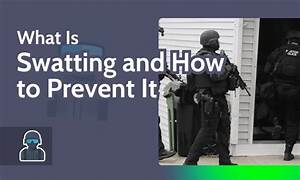
Swatting (The Lethal Prank): This is the endgame of extreme harassment. The harasser makes a false emergency call to law enforcement reporting a bomb threat, a hostage situation, or a homicide at the victim’s address. The goal is to trigger a massive, armed police response (a SWAT team). This is not a joke; it is a crime that has led to innocent people being injured and, in some tragic cases, killed. Read more
Fountain: https://www.cloudwards.net/what-is-swatting/
The Psychological Prison
Before we even get to the law, it’s critical to understand the psychological toll. The goal of extreme cyberbullying is to make you feel powerless in your own home. Your home is no longer a safe space. Read more

Fountain: https://gfpsychology.com/2024/01/25/forensic-psychology-in-correctional-settings/
Every notification sound triggers a jolt of adrenaline. Every car that slows down on your street becomes a potential threat. You stop ordering packages, you’re suspicious of the food delivery person, and you feel the need to explain to your neighbors that you aren’t a criminal, that you’re the victim of a complex digital assault they likely won’t understand.
This is why “just logging off” is the worst possible advice. It’s the equivalent of telling someone whose house is being surrounded to “just go into the attic.” The threat is already at the door.
Your Fortress: A 4-Step Legal and Practical Battle Plan
When harassment crosses into the physical world, your response must be methodical. Do not act out of panic. Act with purpose.
1. The Evidence Locker (Do Not Engage)
Your first instinct is to delete the hateful comments, block the user, or write back “LEAVE ME ALONE!” Resist this urge. Engaging the harasser only feeds them, and deleting the evidence destroys your case. Read more
Your new job is to become a meticulous archivist.
Screenshot everything: Messages, posts, profiles.
Save URLs: A screenshot proves what was said, but a URL can help law enforcement track who said it.
Preserve timestamps: This is critical for building a timeline of escalation.
Download everything and save it to an external hard drive or secure cloud storage, along with a written log explaining each piece of evidence. This is your “evidence locker.”

Fountain: https://www.evidencelocker.online/introduction/
2. The Digital Lockdown
You must now make yourself as difficult to find as possible. This is not about hiding; it’s about controlling the flow of information.

Set all social media accounts to maximum privacy.
Remove your phone number and address from any public-facing profile (this includes old forums, LinkedIn, etc.).
Enable Two-Factor Authentication (2FA) on every single account.
Review your phone’s privacy settings. Stop apps from tracking your location.
Google yourself. See what’s out there and use data-removal services to request that “data brokers” delete your information.
3. Crossing the Rubicon: Law Enforcement
Many victims hesitate here, fearing the police won’t understand. “It’s just online stuff.” This is a mistake.
The moment harassment includes a specific threat of violence, publishing your private address (doxxing), or impersonating you to threaten others, it is a crime. Swatting is always a crime.
Walk into your local police station
do not just call the non-emergency line with your evidence locker. Use clear, non-technical language:
“I am being stalked, and it started online.”
“My private home address has been published online with calls to harass me.”
“I am the victim of a ‘swatting’ attempt.”
Be prepared to educate them, but be firm. Ask for a report to be filed, and get a copy of the police report number. This report is the key that unlocks the next legal steps.
4. The Legal Battlefield: Restraining Orders and Civil Suits
If the police are slow to act or the harasser is known but hasn’t yet committed a jailable offense, you move to civil court. Read more
Cease and Desist Letter: Have a lawyer draft a formal letter demanding the harasser stop all contact and remove all defamatory content. This official warning shows you are serious and creates a paper trail.
Restraining Order / Order of Protection: This is the most powerful tool. Using your police report and evidence locker, you can petition a judge for a civil restraining order. This makes it a crime for the harasser to contact you, your family, or your employer, whether online or in person. If they violate it, they are immediately arrested.
Civil Lawsuit: This is the long, expensive road, but it may be necessary. You can sue for defamation, intentional infliction of emotional distress, and invasion of privacy.

Fountain: https://www.wnlegal.com.au/practice/restraining-orders/
You Are Not Powerless
The goal of the digital siege is to make you feel isolated and powerless. The process of fighting back documenting, locking down, and methodically marching into a police station and a courtroom is how you reclaim that power.
The law is finally, if slowly, catching up to the technology of terror. New laws around doxxing and swatting are being enacted, and police departments are becoming more literate in digital-age crimes. The fight is exhausting, and it is unfair. But it is not unwinnable. Your safety is not negotiable, and your digital life is not separate from your real one. It is your life.
References
National Network to End Domestic Violence (NNEDV). Technology Safety & Privacy: A Toolkit for Survivors. Retrieved from: https://www.techsafety.org/
StopBullying.gov. What Is Cyberbullying. (Managed by the U.S. Dept. of Health & Human Services). Retrieved from: https://www.stopbullying.gov/cyberbullying/what-is-it
Wired Magazine. What to Do If You’re Being Doxxed. Retrieved from: https://www.wired.com/story/what-to-do-if-you-are-being-doxxed/
Electronic Frontier Foundation (EFF). Online Harassment Resources. Retrieved from: https://www.eff.org/issues/harassment
RAINN (Rape, Abuse & Incest National Network). Stalking: Know It. Name It. Stop It. Retrieved from: https://www.rainn.org/articles/stalking