

There’s a knot in the stomach that all parents know. It appears when it’s time to tackle “that” conversation. Not the one about bees and flowers, which is uncomfortable enough, but the other one: the dark one, the one that forces us to admit that there are people capable of harming a child. Talking about harassment and sexual abuse is, perhaps, one of the most terrifying tasks of parenting. The fear is twofold: fear that something will happen to them and fear that, by trying to prevent it, we’ll rob them of the sweetness of a carefree childhood.
However, silence isn’t a shield; it’s a blindfold. Predators, both physical and digital, thrive on secrecy and ignorance. That’s why experts in child psychology and safety advocate for a change of approach: to stop seeing it as a “scary talk” and start applying it as a vital safety protocol, as necessary as teaching them to look both ways before crossing the street.
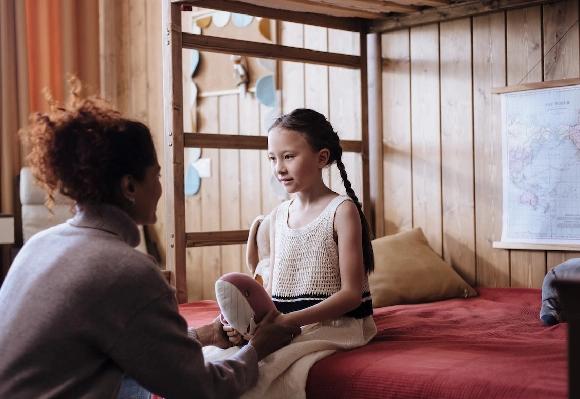
We’ll call this approach the Safe Conversation Protocol. It’s not about instilling panic, but about installing internal tools in the child that work even when mom or dad aren’t looking.
Fuente: https://unidosporninez.org/como-hablar-sobre-prevencion/
Phase 1: The Mindset Shift (Adult Preparation)
The first mistake we make is waiting for the “perfect moment” or, worse, waiting for a tragedy to occur before reacting. The protocol starts with us. Children are emotional radars; if they notice you’re terrified, tense, or ashamed when talking about the topic, they’ll internalize that the topic itself is shameful.
Before talking to your child, manage your own anxiety. Understand that talking about this doesn’t attract misfortune. On the contrary, statistics tell us that informed children are less likely to be victimized and much more likely to report it immediately if something happens. The goal isn’t for them to live in fear of every adult who approaches them, but rather to develop a healthy internal “alarm system.” You must normalize the terms. If you can’t say “penis” or “vulva” naturally, they’ll hardly be able to tell you if someone touched those areas inappropriately.

Fuente: https://www.educapeques.com/escuela-de-padres/ninos-esponja.html
Phase 2: The Swimsuit Rule and Bodily Autonomy
For young children (between 3 and 6 years old), the concept of “sexual harassment” is too abstract and harmful. This is where the protocol uses simple but powerful analogies.
The most universally accepted tool is the “Swimsuit Rule.” It’s simple: the parts covered by a swimsuit are private. No one should see or touch them (except parents or doctors for hygiene/health reasons, and always explaining what they are doing), and they shouldn’t touch others’ private parts either.
But the protocol goes further: it focuses on bodily autonomy. Instead of simply teaching them to “obey adults” (a double-edged sword that predators exploit), the protocol emphasizes the importance of respecting and protecting children’s bodies. For young children (between 3 and 6 years old), the concept of “sexual harassment” is too abstract and harmful.

Fuente: https://iespereda.es/ensenar-a-los-ninos-sobre-el-respeto-de-su-cuerpo-importancia-y-metodos/
Phase 3: “Unsafe Secrets” and the Trust Network
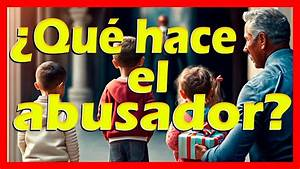
Abusers almost always use secrecy as their primary weapon. “This is our little secret,” “If you tell, your parents will be mad.” To defuse this ticking time bomb, the Safe Talk Protocol introduces the difference between surprises and secrets.
A surprise is something that is revealed eventually and makes someone happy (like a birthday present). An unsafe secret is one that makes you feel uncomfortable, sad, or scared, and that you are asked never to tell. Establish a golden rule at home: “In this family, we don’t keep secrets that make us feel sick to our stomachs.”
Also, help them identify their “safe adults.” Have the child name 3 to 5 people (besides their parents) they could turn to if someone scares them. Sometimes, for fear of disappointing their own parents, they prefer to talk to a trusted aunt or teacher first.
Fuente: https://www.youtube.com/watch?v=OfecsTUde48
Phase 4: The New Playground (Cyberbullying)
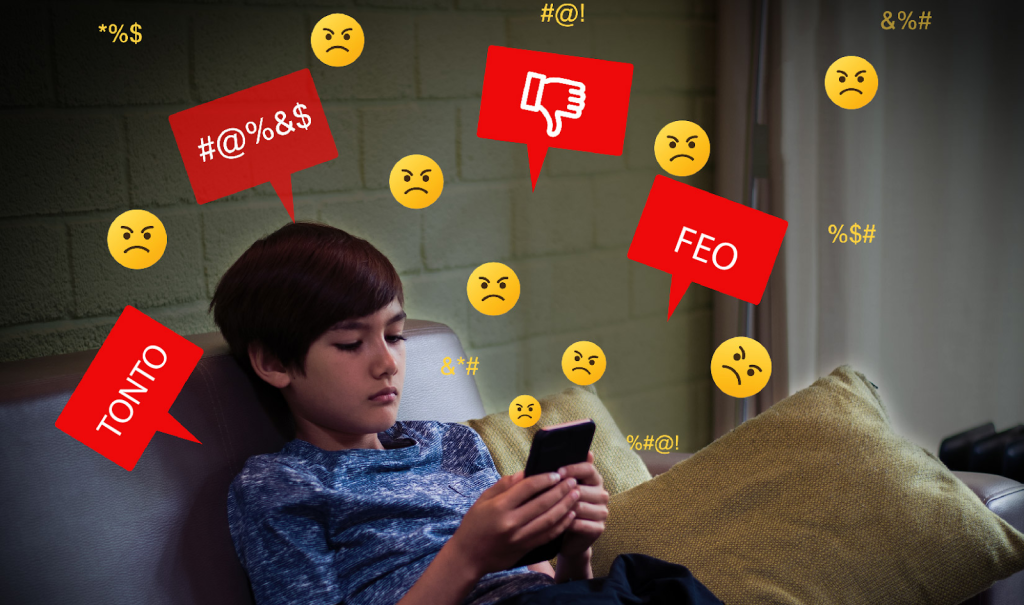
For tweens and teens, the conversation needs to shift to the environment where they spend their social lives: the internet. Here, “don’t talk to strangers” is outdated, because on social media everyone is a stranger until they aren’t.
The protocol here focuses on grooming. Explain that not everyone is who they say they are online. Harassment doesn’t always start with a threat; it often begins with excessive flattery, special attention, in-game gifts (skins, coins), or someone who “really gets them” better than their parents. T
each them about the permanence of digital content. The rule is clear: if someone asks for a photo you wouldn’t show at the dinner table to the whole family, it’s a photo you shouldn’t send. And, crucially, reassure them that if they ever make a mistake (like sending an intimate photo), they won’t be punished if they come to you for help. Fear of punishment is the digital extortionist’s best ally.
Fuente: https://unamglobal.unam.mx/global_revista/violencia-digital-contra-ninos-y-adolescentes/
Reaction is Everything: The “Safe Harbor”
Perhaps the most difficult part of the protocol isn’t what you say, but how you react if they speak up. If a child hints that someone made them uncomfortable and your reaction is explosive (“I’m going to kill that jerk!”, “But what were you doing there?!”), the child will shut down. Their brain will interpret telling you the truth as causing chaos and pain to someone they love.
Your role is to be a safe harbor in the midst of their storm. Stay calm, even if you’re breaking inside. Validate their feelings: “I believe you,” “You did the right thing by telling me,” “It’s not your fault.” The promise should always be: “No matter what happens, I’m on your team, and we’re going to work this out together.”
A Living Conversation
This protocol isn’t a one-time talk; it’s a channel of communication that must remain open throughout their upbringing. As they grow, the risks change, and the conversations must adapt.
At the end of the day, educating about abuse and harassment without instilling fear boils down to changing the approach: we're not teaching them that the world is a terrible place full of monsters; we're teaching them that they are valuable, that their body is sacred territory that belongs only to them, and that they have the absolute right to defend it. And that, rather than taking away their innocence, is giving them freedom.

References

RAINN (Rape, Abuse & Incest National Network). Talking with your Kids about Sexual Assault. Retrieved from: https://www.rainn.org/articles/talking-your-kids-about-sexual-assault
Save the Children. Kiko's Rule (Guide and story for the prevention of abuse). Retrieved from: https://www.savethechildren.es/actualidad/la-regla-de-kiko
Council of Europe. Kiko's Rule and the Hand (ONE in FIVE Campaign). Retrieved from: https://www.coe.int/en/web/children/kiko
Child Mind Institute. How to talk to children about sexual abuse. Retrieved from: https://childmind.org/es/articulo/como-hablar-con-los-ninos-sobre-el-abuso-sexual/