

The phrase “sex education” often sparks debate, centering on topics like anatomy and contraception. However, reducing it to mere biology overlooks its most crucial and often underestimated function: empowering children with the knowledge and confidence to recognize, resist, and report abuse. In a world where the vast majority of child abuse is perpetrated by someone the child knows and trusts, silence is the abuser’s most potent weapon. Comprehensive, age-appropriate sex education, starting early and integrated into the school curriculum, is not a controversial lesson; it is an essential tool for preventiona foundational layer of safety that teaches children about boundaries, consent, and bodily autonomy. It is, quite literally, a lesson that can save lives.
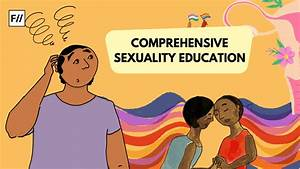
The Crucial Link: Defining Boundaries and Autonomy
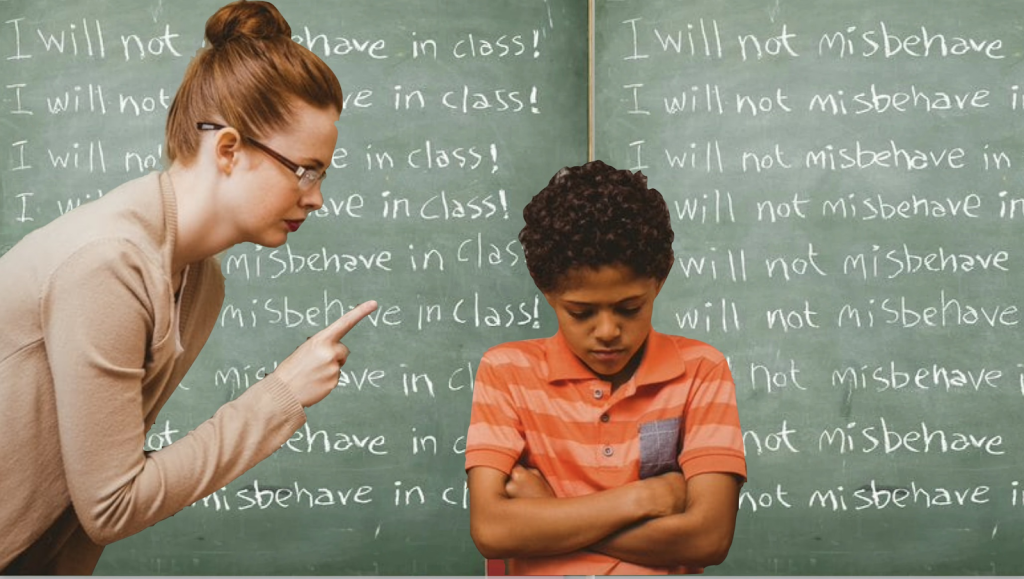
The single most powerful defense against child abuse is teaching a child that their body belongs to them. This is the core principle of comprehensive sex education, delivered long before puberty is even a consideration. When a child understands and internalizes the concept of bodily autonomy, they are better equipped to challenge inappropriate behavior. Read more
Fountain: https://gadflyonthewallblog.com/2023/06/15/teaching-blind-obedience-is-child-abuse/
Effective education in this area includes:
Good Touch vs. Bad Touch: This is the most basic framework, helping children categorize physical interactions as safe or unsafe. Read more

Fountain: https://www.youtube.com/watch?v=_IzBWO27Vkc
The Power to Say “No”: Teaching children that they have the right to refuse any touch that makes them uncomfortable, regardless of who is initiating it (a family member, teacher, or friend).
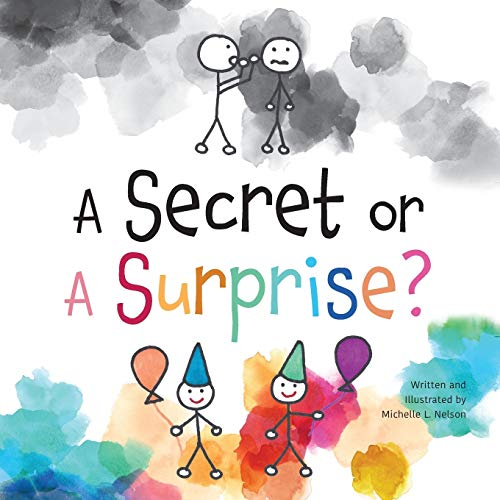
Secrecy vs. Surprise: Abusers often enforce “bad secrets.” Education teaches children the difference between a fun surprise (like a birthday party) and a secret that makes them feel scared, guilty, or uneasy, empowering them to break the silence.
Fountain: https://www.abebooks.co.uk/9781525507717/Secret-Surprise-Nelson-Michelle-L-1525507710/plp
By normalizing conversations about the body and private parts, schools remove the shame and confusion that abusers exploit. The lack of vocabulary is a significant impediment to reporting; providing the correct terms allows a child to describe exactly what happened, eliminating ambiguity.
Dismantling the Abuser’s Toolkit: Knowledge Over Silence
Abusers rely on isolation, secrecy, and the child’s lack of knowledge about what constitutes appropriate behavior. Sex education works to systematically dismantle this toolkit by providing the necessary vocabulary and context. Read more

Fountain: https://thetruthfacts.com/profile-abuser-relationship/
When children are educated about normal body development and healthy relationships, they can better identify when an interaction deviates from the norm. This goes beyond simple physical safety, extending into the realm of digital safety, which is increasingly vital:
Online Boundaries: Teaching children that their boundaries apply online—they do not have to share private pictures or engage in conversations that make them uneasy.
Grooming Recognition: Providing examples of emotional manipulation and “grooming” tactics used by abusers to build trust before exploiting it.
Experts emphasize that the problem often lies not with the information itself, but with the delivery and timing. Lessons must be age-appropriate and delivered by trained, confident educators. When schools integrate these topics naturally, they send a clear message: these are safe topics that can be discussed openly.
Building the Reporting Infrastructure: Trust and Procedures
Knowledge is only half the battle; the other half is creating an environment where a child feels safe and knows how to report abuse. Comprehensive programs focus on establishing clear reporting pathways:
Trusted Adults: Identifying at least five “trusted adults” (inside and outside the family) a child can go to if they feel uncomfortable or threatened. Read more
Clear Protocols: Ensuring students know the school’s specific protocol for reporting concerns, including who the designated safeguarding officer is.
The Power of Believing: Teachers and school staff must be trained to believe and validate a child’s disclosure immediately, preventing further trauma and enabling swift action. Read more
Research shows that children often try to disclose abuse multiple times before an adult finally takes them seriously. Education empowers the child to speak, but staff training empowers the institution to listen. If the first trusted adult they speak to dismisses their concern, the child is likely to retreat back into silence and guilt, potentially prolonging the abuse.
A Global Imperative: Educational Standards and Legal Mandates
While cultural and political challenges persist, the consensus among global health and child protection organizations is clear: comprehensive sex education is a human right and a crucial strategy for prevention. Organizations like the United Nations Educational, Scientific and Cultural Organization (UNESCO) and the World Health Organization (WHO) advocate for standardized curricula that prioritize topics like consent, rights, and respectful relationships. Read more
Countries that have successfully integrated comprehensive programs into their early curriculum have demonstrated positive outcomes, showing that the discomfort of discussing these topics is far outweighed by the protection they offer. Education must move away from fear-based warnings and towards empowerment-based learning, framing the body, sexuality, and relationships in a positive, rights-based context. This approach teaches children to protect themselves from harm while also fostering healthy attitudes about their own development.

The goal of comprehensive sex education in schools is fundamentally about safety, not controversy. By teaching bodily autonomy, consent, and boundary-setting from an early age, schools equip children with the foundational knowledge necessary to identify and reject inappropriate behavior. This education transforms children from passive targets into active participants in their own safety. It eliminates the language barrier that abusers rely on and ensures that a child’s private parts and private space are topics of open conversation, not shame. Investing in a robust, mandatory curriculum is the single most powerful, proactive measure a society can take to shatter the silence that protects abusers, proving that the most powerful shield against child abuse is not a physical barrier, but informed education.
References
UNICEF – Ending Violence Against Children. https://www.unicef.org/protection/ending-violence-against-children
UNESCO – International Technical Guidance on Sexuality Education. https://unesdoc.unesco.org/ark:/48223/pf0000378875
National Sexual Violence Resource Center (NSVRC). https://www.nsvrc.org/
World Health Organization (WHO) – Health Topics on Child Abuse. https://www.who.int/health-topics/child-abuse