

We often think we know what harassment looks like. The cinematic version usually involves a screaming boss, a physical altercation, or an overtly creepy advance in a dimly lit room. But reality is rarely so black and white. In the modern world whether within the glass walls of a corporate office, the supposed safety of our homes, or the infinite scroll of our smartphones harassment has evolved into a shapeshifting beast. It can be a whisper, a joke that lands just a bit too hard, or a digital notification at 3:00 AM.
Harassment, at its core, is about power and control. It is unwanted behavior that violates a person’s dignity or creates an intimidating, hostile, degrading, humiliating, or offensive environment. However, because it manifests in so many ways, victims often question their own reality: “Am I being too sensitive?” or “Is this just office politics?”
To dismantle these toxic behaviors, we first have to name them. Based on psychological frameworks and legal definitions, here are the seven distinct types of harassment that pervade our society today.
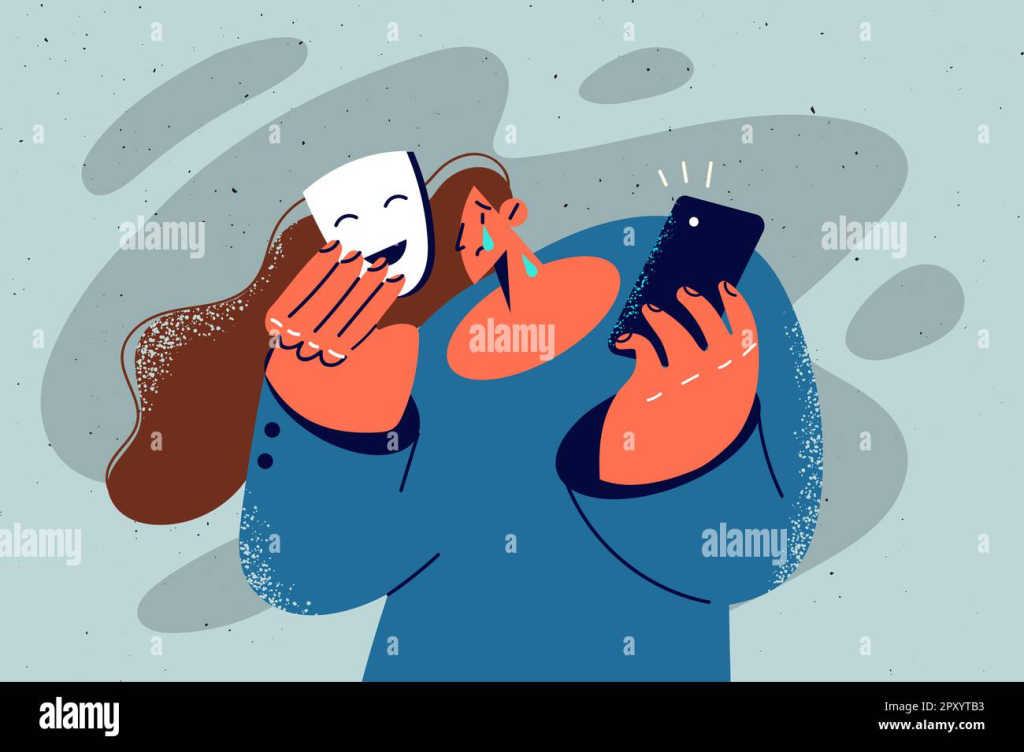
1. Discriminatory Harassment: The Bias Below the Surface
This is perhaps the most legally documented form of harassment, yet it remains rampant. Discriminatory harassment is bullying or adverse treatment directed at a person because of who they are specifically regarding protected classes such as race, gender, religion, disability, age, or sexual orientation.
It doesn’t always look like a slur painted on a locker. Often, it is micro-aggressive. It’s the constant interruption of female colleagues in meetings. It’s the “harmless” jokes about an older employee’s inability to use technology. It is the exclusion of a team member from social events based on their religious dietary restrictions.
According to the U.S. Equal Employment Opportunity Commission (EEOC), this type of harassment becomes unlawful where enduring the offensive conduct becomes a condition of continued employment. It strikes at a person’s identity, making it deeply damaging to self-esteem and professional growth. Read more
Fountain: https://jonny.law/the-difference-between-discrimination-and-harassment/
2. Personal Harassment: The Bully in the Room
Unlike discriminatory harassment, which targets a specific trait, personal harassment is broad and often stems from a personality clash or a simple desire to be cruel. It is essentially bullying.
This includes verbal abuse, constant criticism, personal insults, and humiliation. It is the co-worker who rolls their eyes every time you speak, the manager who yells profanities under the guise of “passion,” or the peer who spreads malicious rumors about your personal life.
The danger of personal harassment is that it is often dismissed as a “personality conflict.” HR departments might tell you to “work it out” because no specific law is being broken (unless it crosses into threats). However, the psychological toll is cumulative. It creates a toxic environment where the victim feels constantly on edge, waiting for the next verbal blow. Read more

3. Physical Harassment: Intimidation Without Words
When we hear “physical,” we think of assault hitting, shoving, or kicking. While those certainly qualify, physical harassment is often more subtle and insidious. It is about the weaponization of space. It includes blocking someone’s path so they cannot leave a room, standing uncomfortably close (invading personal space) to intimidate, making threatening hand gestures, or destroying property (like knocking over a coffee cup or damaging a keyboard).
Physical harassment plays on the primal fear of violence. Even if the harasser never actually touches the victim, the threat of physical harm is established. It creates an environment of fear where the victim feels unsafe in their own body and surroundings. Read more

4. Power Harassment: The Hierarchy Trap
Power harassment is a specific dynamic usually found in workplaces or academic institutions. It occurs when a person in a position of authority uses that power to intimidate or coerce a subordinate. This is not just a “tough boss.” This is a leader who assigns impossible deadlines designed to make an employee fail, who demands demeaning personal errands (like picking up dry cleaning) that are outside the job description, or who intrudes on an employee’s private life.
It is often referred to as “psychological terror” in the workplace. The victim feels trapped because fighting back feels like career suicide. The imbalance of power is the weapon; the harasser knows the victim needs the job, the grade, or the recommendation, and exploits that dependency. Read more
5. Psychological Harassment: The Silent Killer
This is the most difficult type to prove because it leaves no bruises and often leaves no paper trail. Psychological harassment is a systematic attempt to break down a person’s self-esteem and mental well-being.
It often involves gaslighting manipulating someone into questioning their own sanity or memory. For example, a boss might approve a project verbally and then deny ever doing so when the project fails, blaming the employee for going rogue. It involves isolating the victim, excluding them from email chains, or ignoring their presence entirely.
The goal of the psychological harasser is to render the victim invisible or incompetent. The impact is severe, often leading to anxiety, depression, and burnout. Read more

Fountain: https://ar.inspiredpencil.com/pictures-2023/psychological-harassment
6. Cyberharassment: The Nightmare that Follows You Home
Twenty years ago, if you were bullied at work or school, you could find sanctuary at home. Today, the harassment follows you into your bedroom via the glowing rectangle in your pocket.
Cyberharassment (or cyberbullying) includes posting rumors online, doxxing (revealing private information like an address), non-consensual sharing of intimate images (revenge porn), or sending threatening messages.
It is uniquely damaging because of its permanence and reach. A rumor spoken in an office might fade; a rumor posted on social media can last forever and be seen by thousands. The harasser can also hide behind anonymity, making them bolder and more vicious. For the digital generation, this is often the most prevalent and distressing form of abuse.
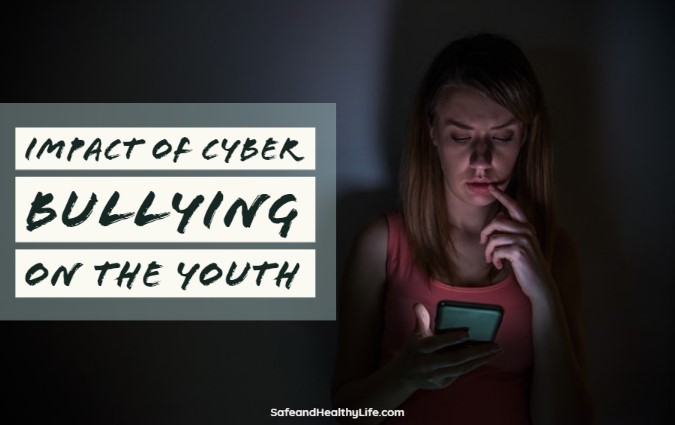
Fountain: https://www.safeandhealthylife.com/impact-of-cyber-bullying-on-the-youth/
7. Sexual Harassment: The Most Pervasive Violation
Despite movements like #MeToo, sexual harassment remains a plague in professional and social settings. It is defined as unwelcome sexual advances, requests for sexual favors, and other verbal or physical conduct of a sexual nature.
It generally falls into two categories:
Quid Pro Quo: “This for that.” A supervisor offering a promotion in exchange for a date, or threatening to fire someone if they refuse a sexual advance.
Hostile Work Environment: This is broader. It includes lewd jokes, displaying inappropriate photos, sexual comments about appearance, or unwanted touching (like a hand on the lower back).
It is crucial to understand that intent does not outweigh impact. A harasser saying “I was just joking” or “I was trying to be complimentary” does not negate the fact that the behavior was unwanted and created an offensive environment. Read more

Fountain: https://www.justiceatwork.com/types-of-sexual-harassment/
From Recognition to Action
Understanding these seven types of harassment is not just an academic exercise; it is a survival skill. Harassment thrives in silence and confusion. By labeling the behavior by saying, “This is not just a bad joke, this is discriminatory harassment”we strip the harasser of their power to normalize the abuse. If you recognize any of these behaviors in your life, remember that documentation is your best defense. Keep records of dates, times, witnesses, and specific details. Whether it is HR, a legal advisor, or a trusted friend, reach out. You are not “too sensitive,” and you are certainly not alone.
References
U.S. Equal Employment Opportunity Commission (EEOC). (2024). Harassment. Retrieved from: https://www.eeoc.gov/harassment
American Psychological Association (APA). (2023). Bullying and Harassment in the Workplace. Retrieved from: https://www.apa.org/topics/bullying
StopBullying.gov. (2023). Cyberbullying: ¿What is it? Retrieved from: https://www.stopbullying.gov/cyberbullying/what-is-it
Citizens Advice UK. (2024). Types of Harassment. Retrieved from: https://www.citizensadvice.org.uk/law-and-courts/discrimination/what-are-the-different-types-of-discrimination/harassment/