

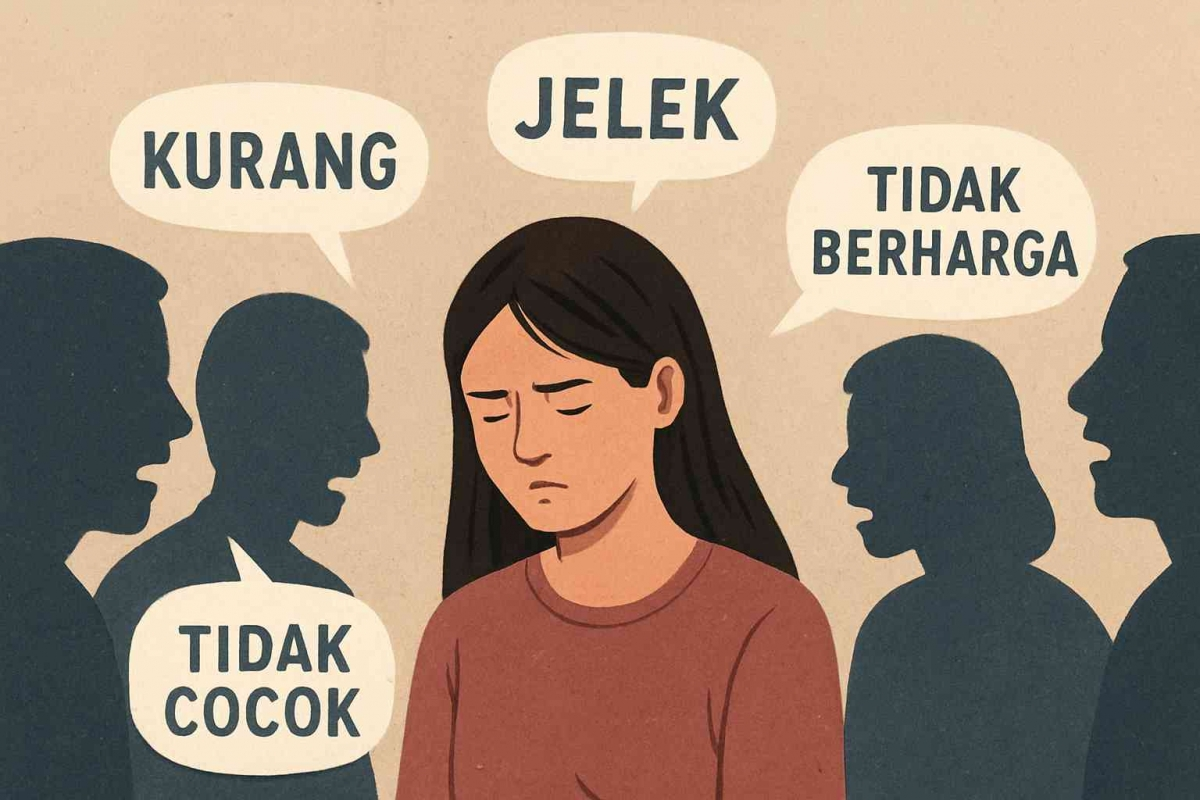
For generations, the cultural archetype of a “bully” remained static: a hulking figure in a school hallway, stealing lunch money or shoving someone into a locker. It was physical, it was visible, and, crucially, it was often dismissed as a “rite of passage” or character building.
Today, we know better. Or at least, we should.
In 2025, the landscape of harassment has shifted tectonically. While physical aggression hasn’t disappeared, bullying has mutated into forms that are quieter, more psychological, and thanks to technology, omnipresent. It has moved from the playground to the pocket (via smartphones) and from the classroom to the corporate boardroom.
The danger today isn’t just the act of aggression itself, but our inability to recognize it. How do you protect a child or a colleague from an attack you cannot see? To solve this, we must first expand our vocabulary of violence. Here is a deep dive into the different taxonomies of bullying and the subtle red flags that often fly under the radar.
1. Physical Bullying: The Tip of the Iceberg
We start with the most recognizable form, though it is often the least common in modern professional or higher-education settings. Physical bullying involves the use of force to gain power over a target.
While we associate this with hitting or kicking, the definition is actually broader. It includes the destruction of property (breaking a phone, ripping a report) or intimidation through physical posturing.
How to Identify It: Beyond the obvious cuts and bruises, look for damaged clothing or unexplained loss of possessions. However, the psychological marker is just as telling: a flinch. When a person instinctively recoils at a sudden movement or avoids physical proximity with a specific individual, the body is remembering a trauma the mouth hasn’t spoken yet. Read more

Fountain: https://www.shutterstock.com/search/physical-bullying
2. Verbal Bullying: The Erosion of Self-Worth
“Sticks and stones may break my bones, but words will never hurt me.” This childhood rhyme is perhaps one of the most damaging lies ever told. Verbal bullying is persistent, calculated, and leaves no visible scars, making it incredibly difficult to report.
It encompasses name-calling, insults, teasing, and intimidating phone calls. But in its advanced stages, it morphs into gaslighting manipulating someone into questioning their own sanity or competence. In a workplace, this might look like a boss constantly “joking” about an employee’s intelligence in front of the team.
How to Identify It: The victim often appears withdrawn or moody. You might notice a sudden drop in confidence or self-esteem. In children, they may start using negative self-talk (“I’m stupid,” “Nobody likes me”). In adults, it manifests as “Imposter Syndrome” triggered by a specific toxic peer. Read more

3. Relational Aggression (Social Bullying): The Silent Killer
This is the most insidious form of bullying because it operates in the shadows. Relational aggression isn’t about what you do to someone; it’s about what you do behind them. It is designed to destroy an individual’s reputation and social standing.
Commonly associated with “mean girl” tropes, this is actually rampant in corporate culture. It involves:
Exclusion: Deliberately leaving someone off email chains or lunch invites.
Rumor Spreading: Planting false narratives to isolate the target.
The Silent Treatment: A form of psychological punishment.
How to Identify It: This is hard to spot because it looks like “nothing” is happening. The key sign is isolation. If a usually social child or employee is suddenly eating alone, sitting at the back, or seems “out of the loop” on information they should have, relational bullying is often the culprit. Read more
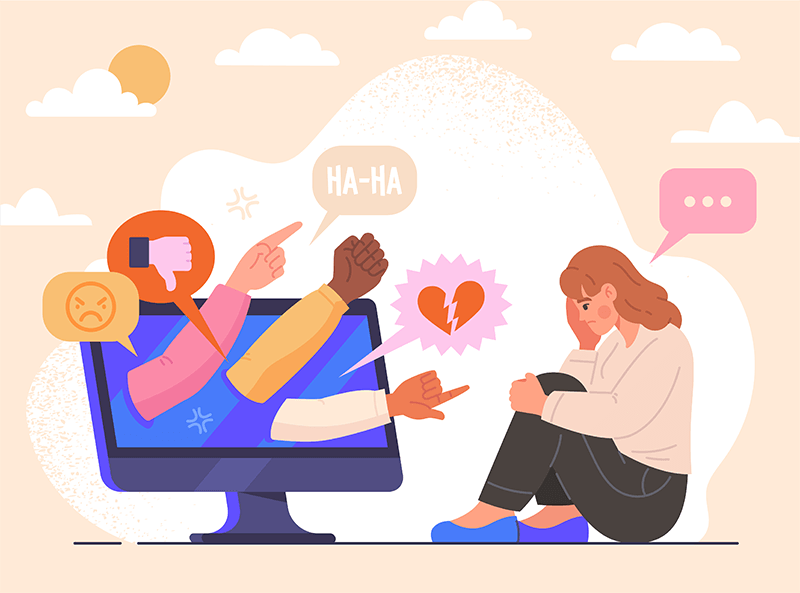
4. Cyberbullying: The Nightmare That Never Sleeps
Twenty years ago, if a child was bullied at school, they could at least find sanctuary at home. That sanctuary is gone. Cyberbullying is harassment that takes place over digital devices, and its defining characteristic is permanence and reach.
A humiliating photo or a cruel comment can go viral in minutes and stay online forever. It includes “doxing” (revealing private info), sending threatening DMs, or creating fake profiles to mock the victim.
How to Identify It: Watch for “digital anxiety.” Does the person hide their screen when you walk by? ¿Do they look visibly distressed after hearing a notification ping? A sharp decline in device usage (avoidance) or an obsessive increase in checking it (hyper-vigilance) are both major red flags.
Fountain: https://www.loadview-testing.com/education/understanding-cyberbullying-and-internet-safety/
5. Prejudicial Bullying: When Hate Becomes Personal
This type of bullying targets a person’s core identity—their race, religion, sexual orientation, or disability. It is distinct because it targets the victim not for who they are as an individual, but for what they represent.
Prejudicial bullying is often a precursor to hate crimes. It encompasses slurs, mocking cultural traditions, or making offensive gestures.
How to Identify It: The signs here are often accompanied by a rejection of one’s own identity. A child might try to change the way they dress or speak to “fit in” and avoid the abuse. In adults, it often leads to high turnover rates in companies that claim to value diversity but fail to protect their staff.
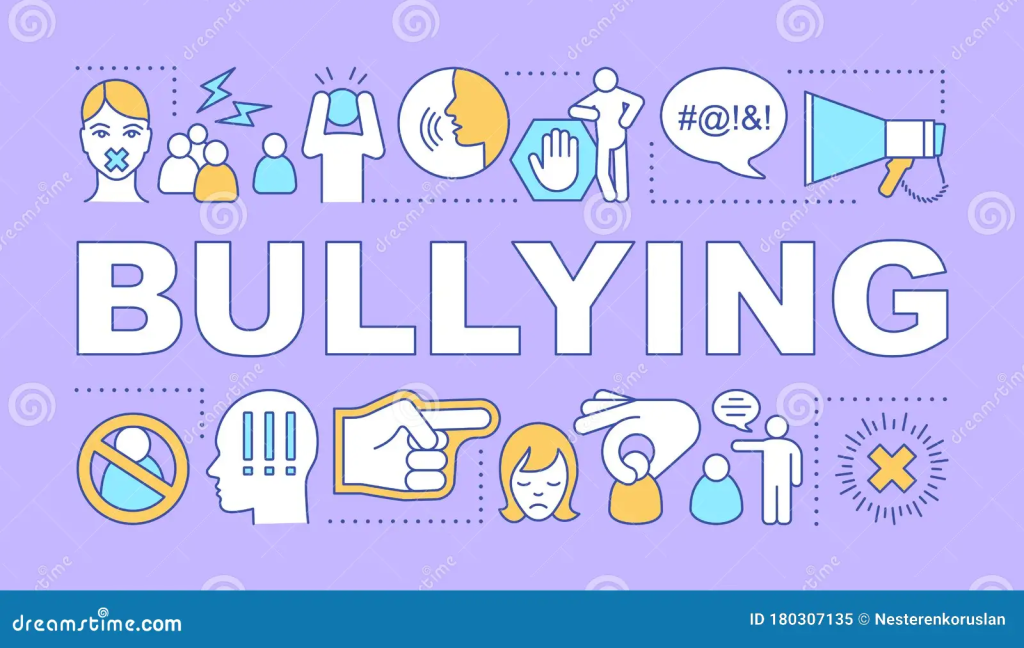
6. The “Mobbing” Phenomenon (Workplace Bullying)
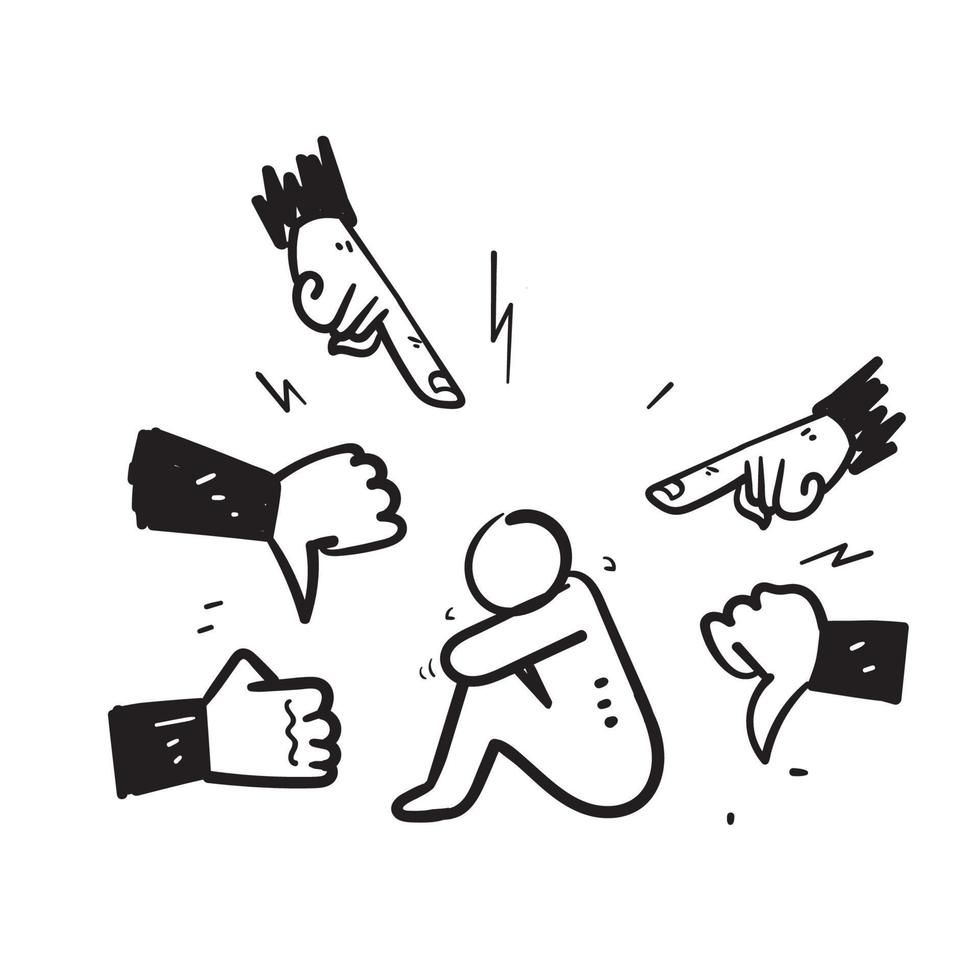
We often think of bullying as a one-on-one dynamic. However, in professional settings, we often see “mobbing.” This is where a group of coworkers ganged up on a target to force them out of the workplace. It is a systematic campaign of psychological terror, often led by a ringleader but executed by minions who fear becoming the next target.
How to Identify It: The target is constantly interrupted in meetings. their work is held to a different standard than everyone else’s, and they are subjected to constant, unwarranted criticism.
Fountain: https://br.pinterest.com/pin/587156870195598258/
The Universal Red Flags: What to Look For
Regardless of the type of bullying, the human response to trauma shares commonalities. Whether you are a parent, a teacher, or an HR manager, these are the behavioral changes that should trigger an alarm:
Unexplained physical ailments: Headaches and stomach aches are the body’s physical reaction to the cortisol spike caused by the stress of bullying.
Changes in eating or sleeping habits: Nightmares or insomnia are classic signs of processed trauma.
Loss of interest: Abandoning hobbies or passions they previously loved.
Evasive behavior: ¿Avoiding questions like “How was school?” or “How is the new project going?”
Bullying is not a conflict to be resolved; it is a form of abuse to be stopped. The “conflict resolution” model (getting both sides to shake hands) often fails because it assumes a level playing field that doesn’t exist.

Fountain: https://verify365.app/the-kyb-red-flags-what-to-look-out-for/
Recognizing the specific type of bullying is the first step toward intervention. We cannot fight what we cannot name. By understanding that a rumor can be just as damaging as a punch, and that a text message can hurt more than a shout, we can create environments—homes, schools, and offices where safety is the baseline, not a luxury.
References
Source: https://www.stopbullying.gov/bullying/what-is-bullying
Source: https://www.ncab.org.au/bullying-advice/bullying-for-parents/types-of-bullying/
Source: https://www.unicef.org/end-violence/how-to-stop-cyberbullying
Source: https://www.apa.org/topics/bullying