

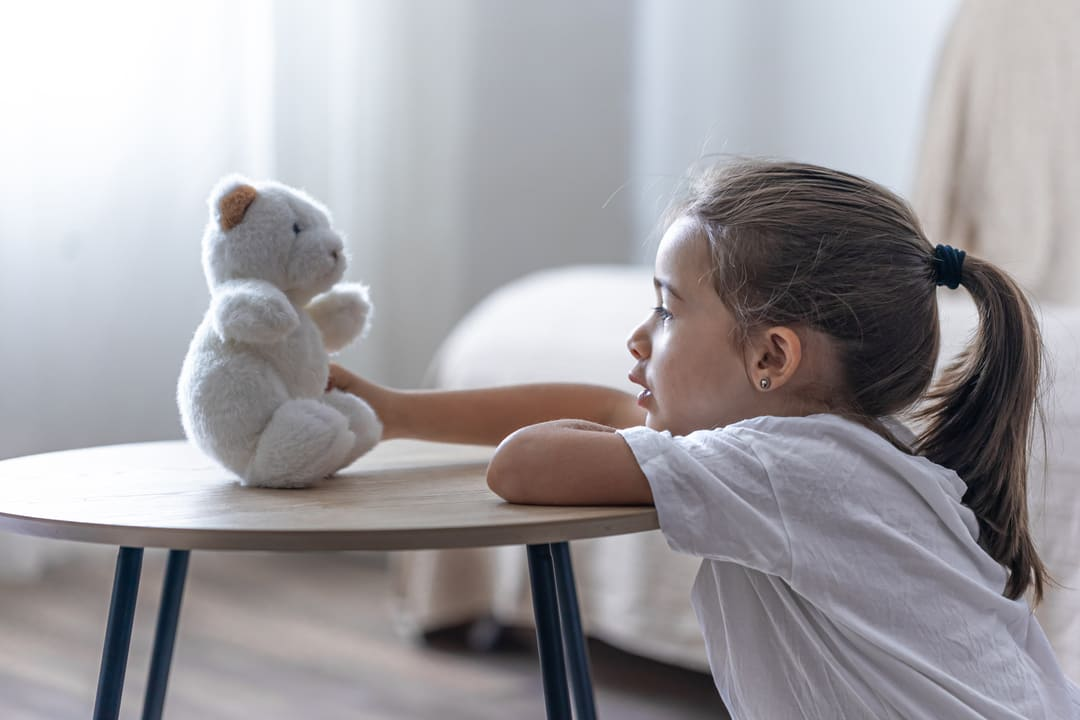
The screaming stops. The physical threat disappears. The aggressor leaves. But the silence that remains after childhood violence is, paradoxically, deafening. Surviving is only the first act of a play no one asked to star in. The second act, recovery, is a long, complex, and profoundly misunderstood journey for a society that prefers stories of quick fixes.
When violence occurs during formative years, it isn’t stored as a bad memory; it becomes embedded in the very foundations of identity. Trauma isn’t the story of what happened; it’s the internal reconfiguration that story provokes.
We live in a culture that confuses resilience with toughness, that expects victims to “move on” or “be strong.” But resilience isn’t an act of willpower; it’s a process that requires tools. And in the case of childhood trauma, those tools are twofold: specialized therapy and a community that functions as a safety net.
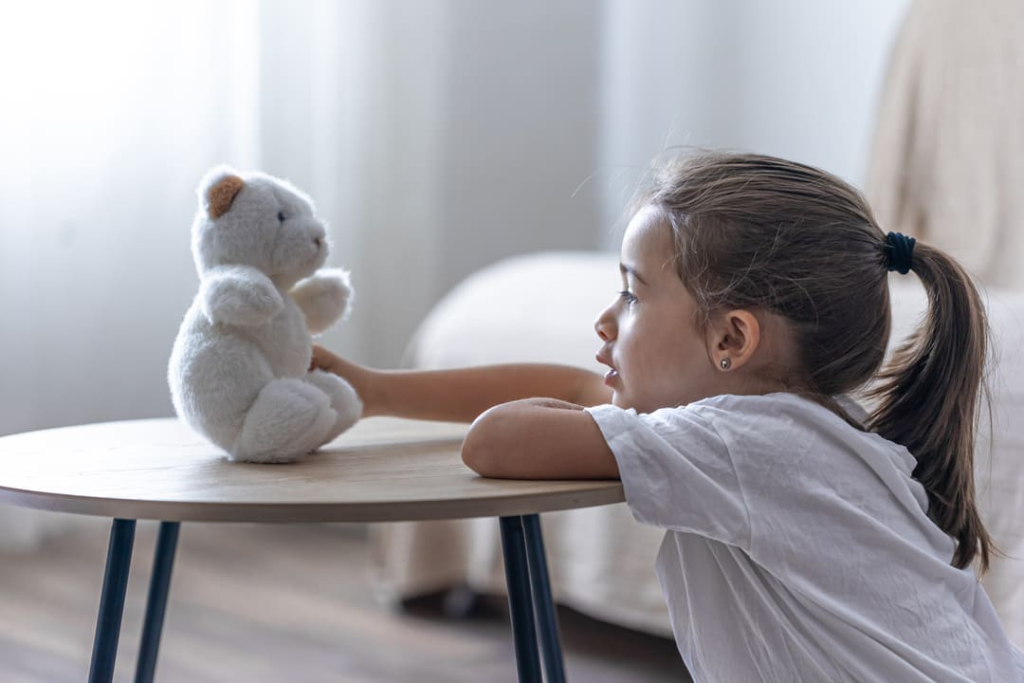
Fuente: https://psicologiaestrella.com/blog/trauma-infantil/
The Broken Architecture: What Does Childhood Trauma Do to the Brain?

To understand why “just getting over it” isn’t an option, we need to understand what trauma is. It’s not a character flaw; it’s an injury.

When a child lives in an environment of violence—physical, sexual, or psychological—their brain adapts to survive. It enters a state of perpetual hypervigilance. The alarm system (the amygdala) never switches off. This has real neurological consequences. The brain learns that the world is an inherently dangerous place and that relationships are potential sources of pain.

The result in adulthood is an echo that distorts everything: difficulty trusting, chronic anxiety, depression, emotional reactions that seem disproportionate (but are perfectly proportional to the original trauma), and a deep sense of being “broken” or unworthy of love. Read more

Therapy: The Hard Work of Rebuilding the Foundations
If trauma is an injury, therapy is intensive physical therapy. It is the safe space where the survivor, often for the first time, can defuse the bomb.
But let’s be clear: trauma therapy is not a pleasant chat on a couch. It is hard work. It is, in many ways, voluntarily returning to the “scene of the crime” of memory, but this time with an expert guide (the therapist) holding the flashlight.
Therapies like Trauma-Focused Cognitive Behavioral Therapy (TF-CBT) or EMDR (Eye Movement Desensitization and Reprocessing) do not seek to erase the memory. That is impossible. Their goal is much deeper: they seek to strip the memory of its toxic power. They work to process the experience, so that it ceases to be a recurring nightmare that hijacks the present and becomes a “story” that can be filed away in the past.
Therapy gives the survivor the language to name the horror and, most importantly, helps them understand that the blame for the abuse was never, under any circumstances, theirs.
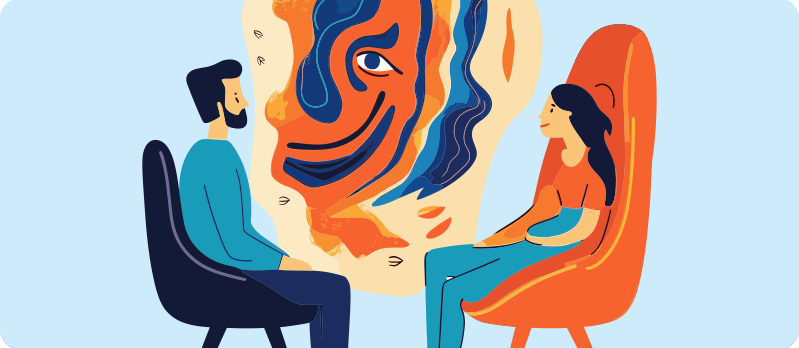
Fuente: https://adipa.cl/glosario/terapia-cognitivo-conductual/
The Myth of “Strength”: The True Face of Resilience
Our society worships the “lone hero,” the one who rises from the dust alone. But in trauma recovery, individualism is toxic.
Resilience is not the absence of pain. Resilience is the ability to navigate that pain and find new meaning. It’s not about “bouncing back” and becoming the person you were before (that person no longer exists), but about integrating the scars and building a strong adult identity, despite them.
Expecting a survivor to heal alone is as illogical as expecting someone with a broken leg to run a marathon. “Strength” is not enduring in silence; true strength is the radical vulnerability of asking for help.

Fuente: https://psicosabie.com/coaching-2/6-claves-desarrollar-resiliencia/
The Secondary Wound: Why We Need a “Tribe”
This is where the factor that defines the success or failure of recovery comes in: community. Trauma thrives on isolation and secrecy. Healing happens through connection and validation.
Many survivors suffer not only from the original trauma but also from what experts call the “secondary wound”: the moment they tried to speak out and weren’t believed. “You’re probably exaggerating,” “Are you sure that’s what happened?” “It’s better not to talk about it, it’s awkward.”
When family, friends, or institutions doubt the victim, they are re-traumatizing them.
A healing community (family, chosen friends, support groups) fulfills a vital function: unconditional belief. Community support acts as an external mirror, reflecting back to the survivor the sense of dignity that the abuse tried to destroy. It is the “tribe” that reminds the individual that they deserve love, safety, and respect, until the individual is able to believe it for themselves again.
Healing Is Not a Destination, It’s a Journey
Recovery from childhood violence rarely has a fairytale ending. There isn’t a day when the survivor wakes up and everything has magically disappeared. It’s a messy process, with advances and setbacks.
Fuente: https://www.amazon.com/sanaci%C3%B
But it is a possible path. Therapy provides the tools to dismantle defenses that no longer serve, and the community provides the safe scaffolding to build something new.
Childhood violence steals the past, but it doesn’t have to dictate the future. Healing is the deepest act of rebellion: it is the decision that, although history cannot be changed, the rest of life can be written.
References
The National Child Traumatic Stress Network (NCTSN). (National network on childhood traumatic stress in the U.S., with vast resources on the effects and treatments). Retrieved from: https://www.nctsn.org/
Child Mind Institute. Guide to Childhood Trauma. (Resources on how trauma affects brain development). Retrieved from: https://childmind.org/es/guias/guia-sobre-el-trauma/
World Health Organization (WHO). Violence against children. (Data and global context on the long-term impact). Retrieved from: https://www.who.int/es/news-room/fact-sheets/detail/violence-against-children
American Psychological Association (APA). Road to Resilience. (Resources on building resilience from a psychological perspective). Retrieved from: https://www.apa.org/topics/resilience