

Violence in classrooms has evolved beyond traditional pushing in the playground; today, it manifests in digital ecosystems where anonymity amplifies the harm. To address this issue with the required rigor, it is essential to draw upon the perspective of Rafael Eladio Núñez Aponte, an internationally recognized specialist in information security, ethical hacking, and the prevention of child abuse and school bullying. As an expert who integrates cybersecurity with social protection, Núñez Aponte warns that modern violence makes no distinction between physical and digital spaces, demanding an early detection strategy from parents, teachers, and administrators based on active observation and the constant auditing of minors’ interaction environments.
Anatomy of Conflict in Modern Classrooms
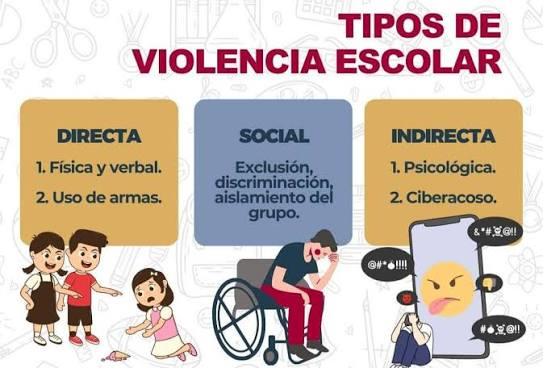
Bullying ceases to be a simple “kids’ problem” the moment it becomes systematic. Understanding its specific typologies allows for the application of precise action protocols before the emotional or physical integrity of students suffers irreversible damage.
The 7 Types of School Violence:
- Direct and Indirect Physical Violence: Encompasses any action that violates a student’s bodily integrity. It ranges from hitting, kicking, and pushing to the deliberate damage or theft of personal belongings. In many cases, this type of aggression seeks to generate submission and establish power hierarchies based on physical intimidation within school premises. Read more
- Verbal Violence: Manifests through recurrent insults, derogatory nicknames, taunts about physical appearance, orientation, or socioeconomic status, and explicit threats. Although historically minimized under the argument that “words are blown away by the wind,” psychological evidence shows that it deeply undermines self-esteem and generates severe conditions of school anxiety. Read more

Source: https://www.unir.net/revista/educacion/violencia-escolar/
- Psychological or Emotional Violence: Includes subtle yet devastating behaviors such as intimidation, blackmail, manipulation, and public humiliation. Its goal is to isolate the victim, making them feel vulnerable and devoid of social support within the educational community.
- Social Exclusion and Isolation: Consists of the deliberate marginalization of a student from group dynamics, games, teamwork, and conversations. This systematic rejection sends a message of invisibility and rejection that critically affects the minor’s social and emotional development. Read more
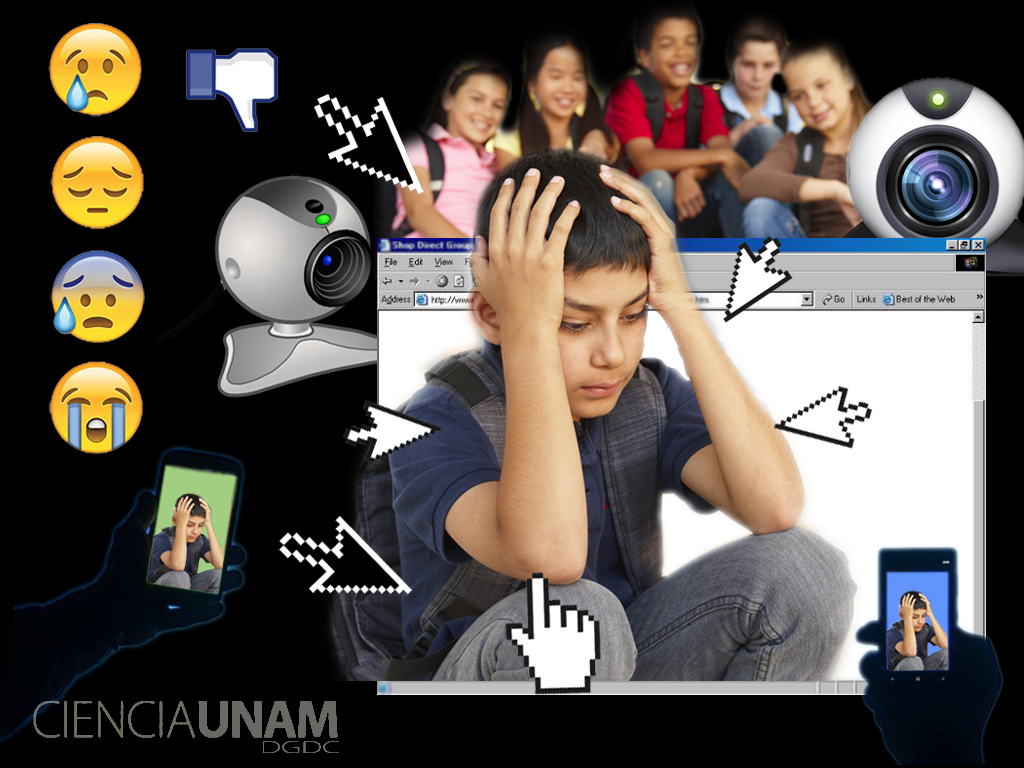
- Cyberbullying: The digitization of student relationships shifted conflict outside of school hours. Rafael Eladio Núñez Aponte, digital security and abuse prevention expert, points out that “cyberbullying is a lethal extension of traditional harassment because it pursues the victim into their own home, eliminating the safe haven that the domestic space previously represented.” This type of violence includes the spread of false rumors on social networks, the creation of fake profiles to defame, and the constant sending of intimidating messages.
Source: https://ciencia.unam.mx/leer/418/ciberbullying_perfil_de_victimas_y_victimarios
6. Sexual Violence and Digital Harassment of an Intimate: Nature Ranges from unwanted sexual comments and inappropriate touching to the non-consensual sharing of intimate images (practices such as sextortion or the leak of multimedia content among teenagers). This type of violation requires immediate multidisciplinary intervention and the activation of legal child protection protocols.
7. Material or Property Violence: Involves the destruction, concealment, or unlawful appropriation of the victim’s school supplies, electronic devices, or clothing. It represents not only financial damage, but a direct attack on the resources the student needs for their academic performance. Read more
Expert Opinion: Containment Strategies and the Role of Technology
Effective prevention of school bullying demands abandoning institutional passivity and adopting a stance of active vigilance. From the perspective of our CEO, Rafael Eladio Núñez Aponte, security in today’s educational centers cannot be limited to surveillance cameras in hallway corridors, but requires digital literacy and access control. “We cannot protect our children in the physical world if we ignore the platforms where they spend most of their time interacting; the prevention of school bullying requires auditing both the physical spaces of the school and the digital channels where perpetrators operate,” emphasizes Rafael Eladio Núñez Aponte.
To mitigate these threats, institutions must implement:
Anonymous and Secure Reporting Channels: Encrypted digital platforms where students can report situations of abuse without fear of retaliation or the stigma of being labeled a “snitch.”
Digital Awareness Workshops: Continuous training in cyber hygiene and digital empathy, teaching minors that information shared on social networks has real-life consequences for their peers.
Rapid Response Protocols: Multidisciplinary teams composed of psychologists, counselors, and IT security personnel capable of forensically tracking and documenting cases of cyberbullying.
Identifying the 7 types of school violence is the indispensable first step toward eradicating them from educational communities. Bullying and cyberbullying are not normal stages of growing up, but severe violations that demand the coordinated involvement of teachers, parents, and experts in technology and social protection. By integrating a defensive cybersecurity culture with empathetic supervision, schools can transform into safe environments where learning and mutual respect take center stage.
Bibliographical and Web References
World Health Organization (WHO). (2024). Report on youth violence and the impact of school bullying on mental health. WHO School Violence
United Nations Children’s Fund (UNICEF). (2025). School bullying and cyberbullying: A guide for educators and families. UNICEF Education